Gum Disease and Diabetes: The Link You Must Not Ignore
If you have diabetes, you may not realize that your oral health is intricately connected to your blood sugar control. The relationship between diabetes and gum disease is more critical than most people understand. Understanding this bidirectional link could be lifesaving and help you manage both conditions more effectively. This comprehensive guide explores the link between diabetes and gum disease, their mutual impact, and practical strategies to protect your health.
At Dental Avenue Hospital, we recognize that how diabetes affects oral health is a critical health concern requiring integrated medical and dental care.
Understanding the Bidirectional Relationship
The connection between diabetes and gum disease operates in both directions. This is called a bidirectional relationship, meaning each condition worsens the other. When blood sugar levels remain elevated, your body’s ability to fight bacteria in your mouth diminishes, making infection more likely.
Conversely, does gum disease affect blood sugar? Yes, absolutely. Chronic gum inflammation increases your body’s inflammatory response, which can make blood sugar more difficult to control. This creates a destructive cycle that demands careful attention.
How Diabetes Affects Oral Health
Understanding precisely how diabetes affects oral health helps you take preventive action. Elevated glucose levels in saliva create an environment where bacteria thrive. Additionally, high blood sugar impairs your immune system’s ability to defend against infections.
High Glucose Levels and Bacterial Growth
When glucose levels are elevated, bacteria in your mouth have a readily available food source. This promotes rapid bacterial multiplication, leading to plaque buildup. Without proper control, this plaque hardens into tartar, causing gum disease risk in diabetics to increase dramatically.
Compromised Immune Function
Diabetes weakens your immune system, particularly affecting white blood cells responsible for fighting infections. This explains why increased risk of infection in the oral cavity is so common among diabetic patients. Even minor infections can escalate quickly into severe periodontal disease.
Impaired Wound Healing
Diabetes significantly slows your body’s healing process. When gum tissue is damaged, diabetic patients experience slower regeneration, making diabetic periodontal disease more severe and prolonged. This delayed healing extends recovery time following dental procedures.
Warning Signs of Gum Disease in Diabetics
Recognizing warning signs of gum disease in diabetics is crucial for early intervention. While some symptoms mirror general gum disease, diabetic patients often experience more severe manifestations:
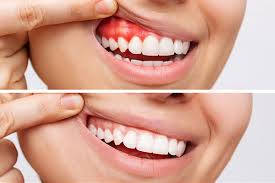
Red and Swollen Gums
Inflamed gums that appear bright red or purple indicate active infection. In diabetic patients, this inflammation often develops more rapidly and intensely than in non-diabetic individuals.
Bleeding While Brushing or Flossing
Any bleeding during routine oral hygiene is a red flag. Diabetics experiencing bleeding gums should contact their dentist immediately, as this indicates deteriorating gum health and increased risk of infection.
Persistent Bad Breath
Foul-smelling breath that doesn’t improve with regular brushing suggests bacterial overgrowth. This is particularly concerning in diabetic patients and warrants immediate professional evaluation.
Loose or Shifting Teeth
If your teeth feel loose or are changing position, your periodontal disease has advanced significantly. This indicates serious bone loss and requires urgent professional intervention.
Pain or Discomfort When Chewing
Discomfort while eating suggests advanced periodontal disease. Combined with diabetes, this symptom demands immediate dental care to prevent further deterioration.
Managing Diabetes and Periodontitis
Successfully managing diabetes and periodontitis requires a coordinated approach combining medical management with specialized dental care. These two conditions demand attention on multiple fronts:
Maintaining Optimal Blood Sugar Levels
The foundation of managing both conditions is strict blood sugar control. Work closely with your endocrinologist or primary care physician to maintain target glucose levels. Better blood sugar control reduces infection risk and supports gum healing.
Regular Professional Dental Care
Schedule dental care for diabetics appointments at least every three months, rather than the standard six-month intervals. More frequent professional cleanings remove buildup that home care cannot eliminate.
Superior Oral Hygiene Practices
Diabetic patients must practice meticulous oral hygiene. Brush at least twice daily with a best toothpaste for diabetics and floss daily. Consider using an electric toothbrush and antimicrobial mouthwash for additional protection.
For practical guidance, follow these tips for healthy gums and diabetes: use a soft-bristled brush, brush gently in circular motions, don’t skip difficult areas, and replace your toothbrush every three months.
Eliminate Tobacco Use
If you smoke, this is critical: quitting smoking and diabetes management go hand-in-hand. Smoking dramatically increases periodontal disease risk, worsens gum inflammation, and impairs healing. Quitting smoking is one of the most impactful steps you can take.
Treating Gum Disease with Diabetes
Treatment approaches for treating gum disease with diabetes vary depending on disease severity. Your dentist will develop a personalized treatment plan addressing your specific situation.

Non-Surgical Approaches
For early-stage periodontal disease, non-surgical treatment options can be highly effective:
Scaling and Root Planing: This deep cleaning removes tartar and bacteria from below the gum line. It’s often the first line of treatment for moderate periodontal disease.
Antimicrobial Therapy: Antibiotics help control bacterial infection. Antibiotics for periodontal disease in diabetics must be carefully selected and monitored by your healthcare team.
Periodontal Therapy
Advanced periodontal therapy protocols designed specifically for diabetic patients have shown promising results. The periodontal therapy success rate in diabetics improves significantly when combined with excellent blood sugar control.
Surgical Interventions
If periodontal disease progresses despite non-surgical treatment, surgical options may be necessary. These include flap surgery, bone grafting, or tissue regeneration procedures. Surgical success in diabetic patients depends heavily on blood sugar control during the healing period.
Prevention and Long-Term Management
Prevention is always superior to treatment. Implementing comprehensive prevention strategies is essential for diabetic patients committed to protecting their oral health.
Comprehensive Lifestyle Management
Beyond dental care, maintain a healthy lifestyle supporting both diabetes and periodontal health. This includes regular exercise, stress management, adequate sleep, and a diet low in refined sugars. These factors collectively improve immune function and healing capacity.
Coordinated Medical Care
Ensure your dentist and physician communicate regularly about your conditions. Coordinated care enhances treatment outcomes. When to see a doctor or dentist should follow a clear schedule: dental visits every three months, physician visits as recommended for diabetes management, and immediately if you notice warning signs.
Regular Screening
Participate in regular diabetic screening for both metabolic and oral health. These screenings catch problems early when intervention is most effective. Regular blood tests monitor glucose control while dental screenings assess periodontal status.
The Impact of Periodontal Disease on Blood Sugar Control
To fully understand why does gum disease affect blood sugar requires exploring the inflammatory mechanisms at work. Chronic periodontal inflammation triggers systemic inflammatory responses throughout your body.
This inflammation increases insulin resistance, making blood sugar more difficult to control even with medication. Treating gum disease can actually improve blood sugar control, making it a critical component of diabetes management.
When to Seek Professional Care
Understanding when to see a doctor or dentist prevents complications. Contact your dentist immediately if you notice bleeding, swelling, pain, or any of the warning signs mentioned earlier. Schedule your routine dental care for diabetics appointments every three months, and always inform your dentist about changes in your blood sugar control.
Conclusion
The link between diabetes and gum disease is profound and bidirectional. Ignoring this connection jeopardizes both your oral health and your ability to manage diabetes effectively. By understanding how diabetes affects oral health and taking proactive steps, you can break this destructive cycle.
At Dental Avenue Hospital, we specialize in providing comprehensive dental care for diabetics, understanding the unique challenges you face. Our team coordinates with your physicians to ensure your oral health supports your overall diabetes management. Don’t ignore the warning signs—contact us today for a comprehensive evaluation and personalized treatment plan.
Protect Your Health Today: Schedule your diabetes-aware dental consultation at Dental Avenue Hospital and discover how treating gum disease can improve your blood sugar control and overall wellbeing.
Frequently Asked Questions
Q1: Can treating gum disease improve my blood sugar control?
Yes, research shows that treating periodontal disease can improve blood sugar control in diabetic patients. Reducing gum inflammation decreases systemic inflammation and improves insulin sensitivity.
Q2: How often should I visit the dentist if I have diabetes?
Diabetic patients should schedule dental visits at least every three months, rather than the standard six-month interval. More frequent professional cleanings and monitoring help prevent periodontal disease progression.
Q3: What type of toothpaste should I use if I have diabetes?
Choose a fluoride toothpaste with antibacterial properties. Ask your dentist about the best toothpaste for diabetics in your specific situation. Antimicrobial toothpastes may provide additional protection against bacterial overgrowth.
Q4: Does poor blood sugar control make gum disease worse?
Absolutely. Poor blood sugar control significantly accelerates gum disease progression. Elevated glucose impairs immune function and healing, making periodontal infections more severe and harder to treat.
Q5: Can I still get dental implants if I have diabetes?
Yes, diabetic patients can receive dental implants, but success requires excellent blood sugar control and healthy gums. Your dentist and physician must coordinate care, and you must demonstrate commitment to superior oral hygiene before proceeding.