5 MYTHS ABOUT SCALING THAT YOU NEED TO KNOW!
When it comes to maintaining a bright, healthy smile, dental scaling and polishing is one of the most effective procedures available. However, countless myths and misconceptions surround this essential dental treatment, causing many people to avoid it altogether. These misunderstandings can seriously impact your oral health and prevent you from achieving the smile you deserve.
At Dental Avenue Hospital, we encounter patients daily who are hesitant about scaling due to misinformation they’ve heard from friends, family, or unreliable online sources. Therefore, we’ve decided to address the most common myths head-on and provide you with accurate, science-based information.
Whether you’re searching for “teeth polishing near me” or wondering about the dental scaling and polishing price in Lahore, this comprehensive guide will answer all your questions and help you make informed decisions about your dental care.

What Exactly Is Dental Scaling and Polishing?
Before we debunk the myths, let’s understand what dental scaling and polishing actually involves. Scaling is a deep cleaning procedure that removes plaque, tartar, and stains from your teeth, including areas below the gum line that regular brushing can’t reach. Polishing follows scaling and smooths the tooth surface, making it harder for plaque to accumulate.
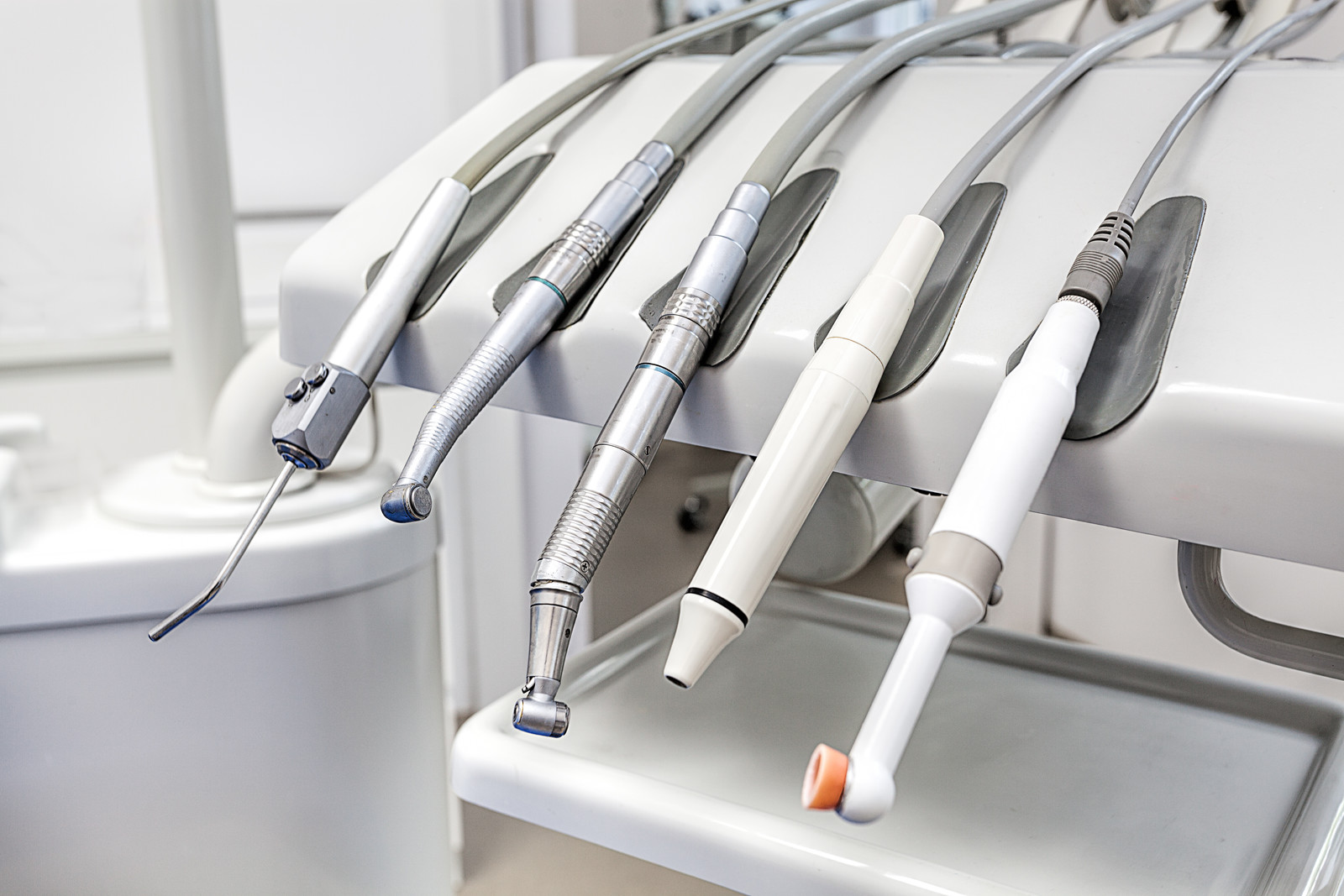
This procedure is performed by dental professionals using specialized instruments. Furthermore, it’s a preventive measure that helps avoid serious dental problems like gum disease, cavities, and tooth loss. Regular scaling and polishing sessions are essential components of comprehensive oral health care.
Myth #1: Scaling Weakens and Damages Your Teeth
This is perhaps the most widespread myth about dental scaling, and it’s completely false. Many people believe that removing tartar will somehow weaken their teeth or cause them to become loose. However, the truth is quite the opposite.
The Reality: Tartar buildup actually damages your teeth and gums over time. When tartar accumulates below the gum line, it creates pockets where bacteria thrive, leading to gum disease and bone loss. This is what causes teeth to become loose, not the scaling procedure itself.
Professional dental scaling and polishing removes these harmful deposits and allows your gums to heal and reattach to your teeth. Moreover, the procedure is performed with precision instruments that are specifically designed to clean without damaging tooth enamel.
Think of it this way: if you don’t remove the tartar, it continues to grow and push your gums away from your teeth. Therefore, scaling actually strengthens your teeth by eliminating the real threat to their stability.
Myth #2: Scaling Creates Gaps Between Teeth
Many patients worry that after scaling, they’ll notice gaps between their teeth that weren’t there before. This concern stems from a misunderstanding of what’s actually happening during the procedure.
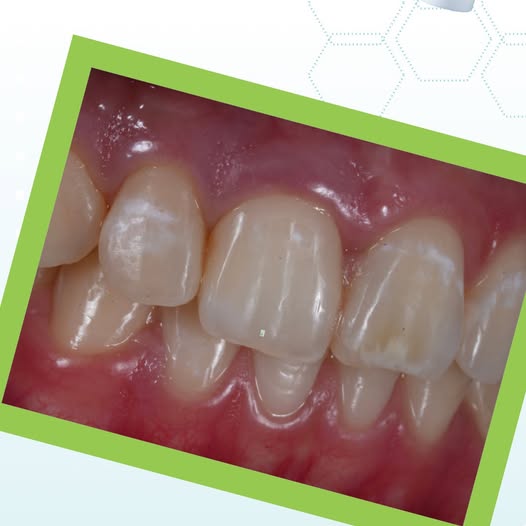
The Reality: Those “gaps” were always there. They were simply hidden by tartar buildup. When significant tartar accumulates between teeth, it fills the spaces and gives the illusion of closely positioned teeth. Once this buildup is removed through scaling, the natural spacing becomes visible again.
Additionally, if your gums were swollen due to inflammation caused by tartar, they’ll shrink back to their healthy size after scaling. This can also make spaces more noticeable. However, this is a positive sign that your gums are healing and returning to their normal, healthy state.
At Dental Avenue Hospital, we explain this process thoroughly to our patients before treatment. Understanding what to expect helps eliminate anxiety about the procedure.
Myth #3: You Only Need Scaling If You Have Visible Tartar
Some people believe that if they can’t see yellow or brown deposits on their teeth, they don’t need scaling. This myth can be particularly harmful because it delays necessary treatment.
The Reality: Tartar accumulates in places you can’t easily see, particularly below the gum line. Even if your visible teeth appear clean, significant buildup can exist in areas that are hidden from view. Furthermore, early-stage tartar is often tooth-colored, making it nearly impossible to detect without professional examination.
Professional dentists use special instruments and techniques to identify tartar buildup that’s invisible to the untrained eye. Regular dental scaling and polishing sessions every six months help prevent tartar from reaching problematic levels, regardless of whether you can see it.
Moreover, prevention is always better than cure. Waiting until tartar is visible means you’ve already allowed it to accumulate significantly, potentially causing damage to your gums and teeth.
Myth #4: Scaling Makes Teeth Permanently Sensitive
Many people avoid scaling because they’ve heard it causes permanent tooth sensitivity. While some temporary sensitivity can occur, the idea of permanent sensitivity is a myth that needs clarification.
The Reality: Some patients experience mild sensitivity for a few days after scaling, especially if significant tartar was removed. This happens because areas of your teeth that were previously covered by tartar are suddenly exposed. However, this sensitivity is almost always temporary and subsides within a few days to a week.
Your teeth naturally adapt to the cleaner environment. Additionally, modern scaling techniques and tools have become increasingly gentle, minimizing discomfort during and after the procedure. If you do experience sensitivity, your dentist can recommend desensitizing toothpaste or fluoride treatments to help.
Interestingly, leaving tartar in place can actually cause more long-term sensitivity. As tartar buildup leads to gum recession, more of your tooth root becomes exposed, resulting in chronic sensitivity. Therefore, regular scaling actually prevents this long-term problem.
Myth #5: Scaling and Polishing Are Only Cosmetic Procedures
Some people view dental scaling and polishing as purely aesthetic treatments, similar to teeth whitening. This misconception can lead them to skip these essential procedures, thinking they’re optional luxuries.
The Reality: While scaling and polishing do improve your smile’s appearance, they’re fundamentally therapeutic procedures that protect your oral health. The primary purpose is to remove disease-causing bacteria, plaque, and tartar that contribute to cavities, gum disease, and tooth loss.
Gum disease affects more than just your mouth. Research has linked it to serious health conditions including heart disease, diabetes, respiratory infections, and pregnancy complications. By removing bacterial buildup through regular scaling, you’re not just improving your smile—you’re protecting your overall health.
The cosmetic benefits are simply a pleasant bonus to the crucial health benefits. Your teeth may appear brighter and your breath fresher after the procedure, but the real value lies in the prevention of serious dental and systemic health issues.
Is Scaling and Polishing Good for Teeth?
Absolutely! Dental scaling and polishing is one of the best things you can do for your teeth. This procedure offers numerous benefits:
- Prevents gum disease and tooth decay
- Removes stains from coffee, tea, and tobacco
- Freshens breath by eliminating bacteria
- Allows early detection of dental problems
- Reduces inflammation and bleeding gums
- Prevents tooth loss in the long term
- Improves overall oral hygiene
Dentists worldwide recommend scaling and polishing every six months as part of routine dental care. However, some patients with gum disease or heavy tartar buildup may need more frequent treatments.
Is Scaling and Polishing Painful?
This is one of the most common concerns we hear at our clinic. The good news is that for most people, dental scaling and polishing is not painful. You might feel some pressure or slight discomfort, but it shouldn’t be painful.
If you have sensitive teeth or significant gum inflammation, your dentist can apply a topical numbing gel to make the procedure more comfortable. Furthermore, modern ultrasonic scalers are much gentler than older hand instruments, making the experience far more pleasant.
Many patients report that the procedure feels strange rather than painful. The vibrations from the ultrasonic scaler and the water spray might be unfamiliar sensations, but they’re not harmful or particularly uncomfortable.
If you experience pain during scaling, it’s important to communicate with your dentist immediately. They can adjust their technique or provide additional numbing to ensure your comfort.
How Much Does Teeth Scaling Cost in Pakistan?
The dental scaling and polishing price varies depending on several factors, including the clinic’s location, the dentist’s experience, and the extent of cleaning required. In Pakistan, particularly in major cities like Lahore, prices typically range from PKR 2,000 to PKR 5,000 for a standard scaling and polishing session.
The dental scaling and polishing price in Lahore at Dental Avenue Hospital is competitive and transparent. We believe that essential dental care should be accessible to everyone. Moreover, we offer package deals for patients who commit to regular preventive care.
It’s important to view scaling as an investment rather than an expense. The cost of treating gum disease, cavities, or tooth loss far exceeds the price of preventive scaling sessions. Additionally, many dental insurance plans cover routine scaling and polishing procedures.
When searching for “teeth polishing near me,” don’t base your decision solely on price. Consider the clinic’s reputation, the dentist’s experience, and the quality of care provided. At Dental Avenue Hospital, we combine affordability with exceptional service.
Which Is Better, Scaling or Whitening?
This is comparing apples to oranges—they serve different purposes. Dental scaling and polishing is a health procedure, while whitening is purely cosmetic. However, scaling should always come before whitening.
Scaling removes surface stains and prepares your teeth for whitening treatments. In fact, many patients find that their teeth appear noticeably whiter after scaling alone, without needing additional whitening procedures. Furthermore, whitening treatments are more effective on clean teeth free from tartar and plaque.
If you’re looking for a brighter smile, start with scaling and polishing. Then, consult your dentist about whether whitening treatments are appropriate for your specific situation. Remember, healthy teeth are always more important than white teeth.
What Are the Risks of Scaling Teeth?
When performed by qualified professionals, scaling carries minimal risks. However, it’s important to be aware of potential complications:
Minor Risks:
- Temporary tooth sensitivity
- Minor gum bleeding or soreness
- Slight discomfort during the procedure
Rare Complications:
- Infection (extremely rare when proper sterilization protocols are followed)
- Bacteremia in patients with certain heart conditions (preventable with antibiotics)
The risks of NOT having regular scaling far outweigh these minimal procedural risks. Untreated tartar buildup leads to gum disease, tooth decay, bone loss, and eventual tooth loss. Additionally, gum disease bacteria can enter your bloodstream and affect your overall health.
At Dental Avenue Hospital, we follow strict sterilization protocols and use state-of-the-art equipment to minimize any risks. Our experienced dentists assess each patient’s individual needs and medical history before treatment.
How Many Hours Does Scaling and Polishing Take?
The duration of dental scaling and polishing depends on the amount of tartar buildup and the number of teeth being treated. Typically, a standard cleaning session takes between 30 minutes to one hour.
For patients with minimal tartar accumulation who maintain good oral hygiene between visits, the procedure might take just 30 minutes. However, if you haven’t had professional cleaning in several years or have significant buildup, the appointment might take up to an hour or even require multiple sessions.
Deep scaling for patients with gum disease may require longer appointments or be split into multiple sessions to ensure comfort and thoroughness. Your dentist will provide a time estimate during your initial examination.
The good news is that regular six-month cleanings become quicker and easier over time. When you maintain your oral health and prevent heavy tartar buildup, your scaling appointments become routine and efficient.
Do Teeth Become White After Scaling?
Yes, teeth typically appear whiter after dental scaling and polishing, though the degree of whitening varies. Scaling removes surface stains from coffee, tea, tobacco, and food, revealing your teeth’s natural color. Polishing further enhances this effect by smoothing the tooth surface and removing additional superficial stains.
However, it’s important to have realistic expectations. Scaling returns teeth to their natural shade but doesn’t change their inherent color. If your teeth are naturally yellowish, scaling won’t make them bright white—it will simply remove discoloration and reveal their true color.
For patients seeking dramatic whitening beyond their natural tooth color, professional whitening treatments are available. However, these should only be performed after scaling to ensure the best results and optimal oral health.
Many patients are pleasantly surprised by how much brighter their smile appears after a thorough scaling and polishing session. The combination of stain removal and smooth, polished surfaces creates a noticeably cleaner, brighter appearance.
The Truth About Professional Dental Care
At Dental Avenue Hospital, we’re committed to providing evidence-based dental care and educating our patients about the truth behind common dental myths. Dental scaling and polishing is a safe, effective, and essential procedure that protects your oral health and overall wellbeing.
Don’t let misconceptions prevent you from getting the care you need. Our experienced team is here to answer your questions, address your concerns, and provide gentle, professional treatment in a comfortable environment.
Whether you’re concerned about the dental scaling and polishing price or simply want to learn more about the procedure, we’re here to help. Schedule your appointment today and experience the difference that professional dental care makes.
Remember, investing in preventive care today saves you from costly treatments tomorrow. Your smile deserves the best care possible.
Frequently Asked Questions
How often should I get dental scaling and polishing?
Most dentists recommend scaling and polishing every six months for optimal oral health. However, patients with gum disease, heavy tartar buildup, or certain medical conditions may need more frequent cleanings—typically every three to four months.
Can I eat immediately after scaling and polishing?
Yes, you can eat after the procedure. However, if you experienced sensitivity during treatment, you might want to avoid very hot, cold, or acidic foods for the first day. It’s also advisable to avoid staining foods and beverages for 24 hours after polishing.
Will my teeth feel different after scaling?
Your teeth may feel smoother and cleaner after scaling and polishing. Some patients notice that their tongue feels different against their teeth due to the removal of tartar buildup. This is completely normal and a positive sign of cleaner teeth.
Is ultrasonic scaling better than manual scaling?
Both methods are effective, and dentists often use a combination of both. Ultrasonic scaling is faster and more comfortable for most patients, while manual scaling provides precision for stubborn deposits. Your dentist will choose the best approach for your specific needs.
Can scaling damage dental work like crowns or fillings?
When performed correctly by a qualified professional, scaling won’t damage properly placed crowns, fillings, or other dental work. In fact, regular scaling helps maintain these restorations by preventing decay and gum disease around them.