Emergency Dentistry in Lahore: Most Common Dental Emergencies and How to Handle Them
Picture this: It’s 2 AM on a Saturday night, and you’re jolted awake by excruciating tooth pain that feels like someone’s drilling into your jaw with a power tool. Your cheek is swelling by the minute, and you’re desperately googling “emergency dentist near me now” while questioning every life choice that led to this moment. If this scenario sounds familiar, you’re not alone – dental emergencies affect millions of people annually, often striking at the most inconvenient times.
Dental emergencies don’t follow a 9-to-5 schedule. They can happen during family gatherings, important business meetings, or peaceful Sunday mornings. Understanding what constitutes a true dental emergency and knowing how to respond can mean the difference between saving a tooth and facing extensive reconstructive work later. For residents of Pakistan’s cultural capital, finding a reliable emergency dentist in Lahore becomes crucial when these situations arise.
Understanding Dental Emergencies: When Every Minute Counts
According to the American Dental Association, approximately 2 million people visit emergency rooms annually for dental-related issues that could have been better treated by dental professionals. However, true dental emergencies require immediate attention to prevent permanent damage, severe infection, or tooth loss.
The World Health Organization reports that oral diseases affect nearly 3.5 billion people worldwide, with many cases involving acute conditions that demand urgent care. These statistics highlight the critical importance of recognizing emergency situations and seeking prompt professional treatment.
The Most Common Dental Emergencies: A Comprehensive Guide
1. Severe Toothache Emergency
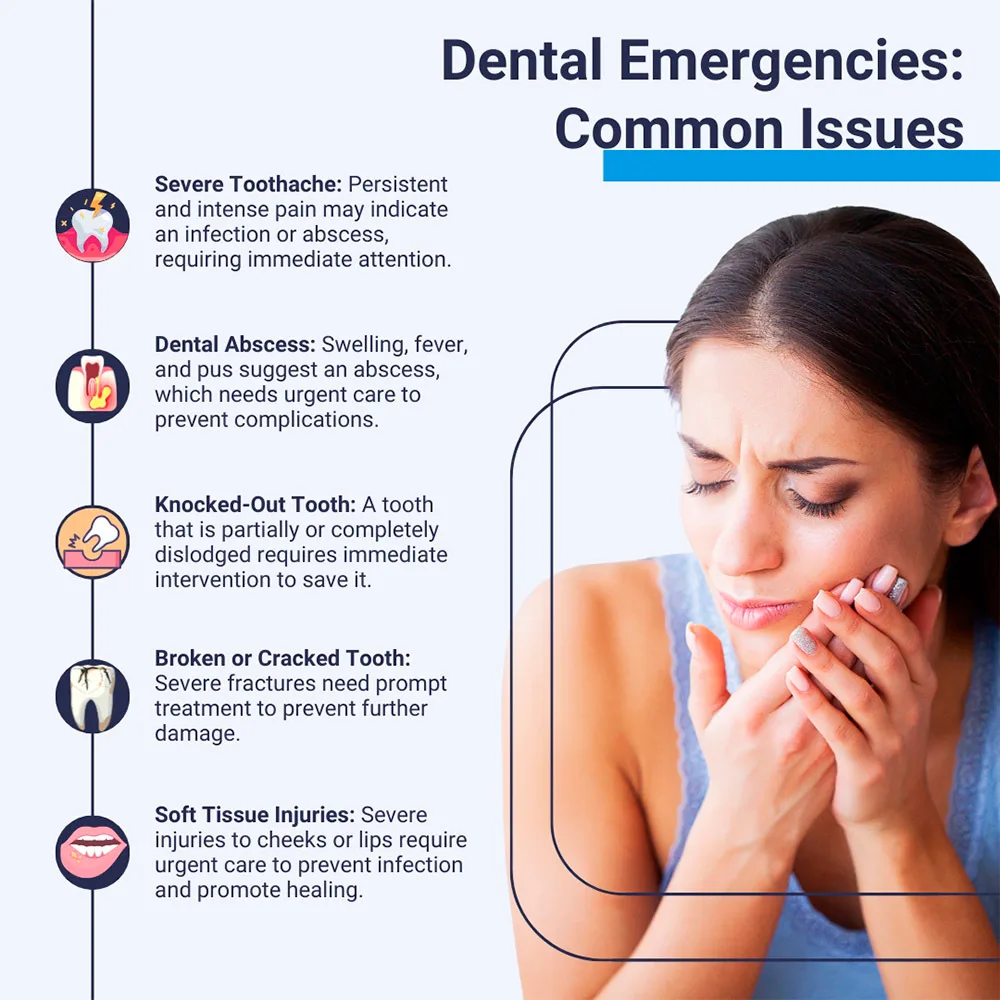
A toothache emergency ranks as the most frequent reason people seek urgent emergency dentist care. The Harvard School of Dental Medicine defines severe dental pain as discomfort that significantly impacts daily activities, sleep, or eating habits. This type of pain often indicates underlying infections, deep decay, or nerve damage.
Immediate Response:
- Rinse your mouth with warm salt water
- Apply a cold compress to the outside of your cheek
- Take over-the-counter pain medication as directed
- Avoid placing aspirin directly on the gum, as it can cause chemical burns
I remember treating a patient last year who had ignored a minor cavity for months. What started as occasional sensitivity during meals escalated into debilitating pain that kept her awake for three consecutive nights. By the time she sought emergency care, the infection had spread, requiring root canal treatment and antibiotics.
2. Knocked Out Tooth (Avulsion)
Sports injuries, accidents, and falls frequently result in completely knocked out teeth. The American Association of Endodontists emphasizes that immediate action within the first 30 minutes significantly increases the chances of successful tooth reimplantation.
Critical Steps:
- Handle the tooth by the crown, never the root
- If dirty, gently rinse with water (don’t scrub)
- Try to reinsert the tooth into its socket immediately
- If reinsertion isn’t possible, store the tooth in milk or saliva
- Seek emergency dental care within 30 minutes
Research published in the Journal of Endodontics shows that teeth reimplanted within 30 minutes have a 90% success rate, dropping to 5% after two hours outside the mouth.
3. Chipped or Broken Tooth Emergency
Chipped tooth repair and broken tooth emergency vary in severity from minor cosmetic issues to complex fractures exposing the tooth’s nerve. The International Association of Dental Traumatology classifies these injuries based on the extent of damage and affected tooth structures.
Assessment Guidelines:
- Minor chips affecting only enamel usually aren’t emergencies
- Fractures exposing dentin (yellowish layer) cause sensitivity and require prompt care
- Breaks reaching the pulp (nerve) demand immediate attention to prevent infection
A recent case involved a teenage basketball player who fractured his front tooth during practice. The break exposed the nerve, causing intense pain and bleeding. Immediate emergency treatment with pulp capping and temporary restoration prevented the need for root canal therapy.
4. Lost Dental Crown or Filling
When a crown fell off emergency occurs, the underlying tooth structure becomes vulnerable to bacteria, temperature changes, and further damage. The Academy of General Dentistry reports that lost crowns and fillings account for approximately 15% of all dental emergencies.
Temporary Solutions:
- Clean the crown and attempt to refit it using dental cement or toothpaste
- Avoid chewing on the affected side
- Keep the area clean and avoid extremely hot or cold foods
- Schedule emergency dental care within 24-48 hours
5. Dental Abscess and Facial Swelling
Gum swelling emergency situations, particularly those accompanied by facial swelling, fever, or difficulty swallowing, require immediate attention. The Mayo Clinic identifies dental abscesses as potentially life-threatening conditions that can spread to surrounding tissues and bloodstream.
Warning Signs:
- Severe, persistent throbbing pain
- Sensitivity to hot and cold temperatures
- Fever and general malaise
- Swollen lymph nodes
- Swelling face dental emergency extending beyond the jaw area
6. Emergency Tooth Extraction Situations
Sometimes, emergency tooth extraction becomes necessary when teeth are severely damaged, infected, or impacted. The American Oral and Maxillofacial Surgeons emphasize that extractions should only be performed when teeth cannot be saved through other treatments.
Common Scenarios:
- Severe infection threatening overall health
- Traumatic injury with extensive root fracture
- Impacted wisdom teeth causing severe pain and swelling
- Advanced periodontal disease with tooth mobility
7. Pediatric Dental Emergencies
Children face unique dental emergency challenges, making access to a pediatric emergency dentist crucial. The American Academy of Pediatric Dentistry reports that sports-related injuries account for 39% of all dental trauma in children aged 7-18.
Special Considerations for Kids:
- Primary (baby) teeth that are knocked out should not be reimplanted
- Children may have difficulty explaining their symptoms
- Immediate comfort and reassurance are essential
- Parents should remain calm to avoid increasing the child’s anxiety
A mother recently brought her 8-year-old son after he fell from his bicycle and chipped his front tooth. While the injury wasn’t severe, the child’s distress and the parents’ concerns made emergency care necessary to ensure proper treatment and peace of mind.
8. Orthodontic Emergencies
Emergency orthodontic repair situations involve broken wires, loose brackets, or appliances causing injury to soft tissues. While not always urgent, these issues can cause significant discomfort and interfere with treatment progress.
Common Orthodontic Emergencies:
- Poking wires causing cheek or tongue injuries
- Loose or broken brackets affecting treatment
- Lost rubber bands or spacers
- Severe pain following adjustments
Finding Emergency Dental Care: What to Look For

When searching for an emergency dentist in Lahore or any location, consider these essential factors:
Availability and Accessibility:
- 24/7 emergency hotlines
- Weekend and holiday coverage
- Same day dentist appointments
- Clear communication about emergency protocols
Comprehensive Services:
- On-site diagnostic equipment (X-rays, intraoral cameras)
- Ability to perform same-day tooth extraction near me when necessary
- Pain management options
- Antibiotic prescribing capabilities
Specialized Care:
- Emergency dentist for kids near me with pediatric training
- Sedation options for anxious patients
- Coordination with medical professionals when necessary
Prevention: Your Best Defense Against Dental Emergencies
The Centers for Disease Control and Prevention emphasizes that many dental emergencies can be prevented through proper oral hygiene, regular checkups, and protective measures during high-risk activities.
Preventive Strategies:
- Maintain consistent oral hygiene routines
- Schedule regular dental examinations and cleanings
- Wear appropriate mouth guards during sports
- Avoid using teeth as tools for opening packages or bottles
- Address dental problems promptly before they become emergencies
When to Seek Emergency Care vs. Waiting for Regular Hours
Understanding the difference between urgent situations requiring immediate attention and problems that can wait helps optimize resource utilization and ensures appropriate care levels.
Seek Immediate Emergency Care For:
- Severe, uncontrolled pain
- Significant facial swelling
- Bleeding that won’t stop
- Signs of systemic infection (fever, difficulty swallowing)
- Traumatic injuries involving multiple teeth
- Knocked-out permanent teeth
Can Typically Wait for Regular Hours:
- Minor chips without pain
- Lost fillings without discomfort
- Mild sensitivity
- Small food particles stuck between teeth
The Role of Technology in Emergency Dentistry
Modern emergency dental practices utilize advanced technology to provide faster, more accurate diagnoses and treatments. Digital X-rays provide instant images, allowing dentists to quickly assess damage and plan appropriate interventions.
Telemedicine consultations are increasingly available, enabling patients to receive initial assessments and guidance before visiting emergency facilities. This technology proves particularly valuable for determining whether situations require immediate attention or can wait for regular appointments.
Cost Considerations and Insurance Coverage
Emergency dental care often comes with higher costs due to after-hours availability and urgent nature of treatments. However, delaying necessary emergency care can lead to more extensive and expensive procedures later.
Most dental insurance plans provide coverage for emergency treatments, though deductibles and co-payments may apply. Patients should verify coverage details and understand their plans’ emergency care provisions.
Building a Dental Emergency Action Plan
Preparation significantly improves outcomes during dental emergencies. Create a family emergency plan that includes:
- Contact information for your regular dentist and backup emergency providers
- Location of nearest emergency dental facilities
- Emergency dental first-aid kit with appropriate supplies
- Clear instructions for common emergency scenarios
- Insurance information and emergency contact numbers
Conclusion: Taking Action When It Matters Most
Dental emergencies test our preparedness and decision-making abilities under pressure. Understanding common emergency types, appropriate first-aid measures, and when to seek immediate care empowers you to respond effectively when these situations arise.
Remember that prompt action often determines treatment outcomes and long-term oral health consequences. Whether you’re dealing with a toothache emergency at midnight or searching for an emergency dentist in Lahore during a holiday weekend, having knowledge and a plan makes all the difference.