How Do Dental Implants Work? A Step-by-Step Guide
Missing teeth affect confidence, eating ability, and oral health. Dental implants offer permanent solutions that function like natural teeth. Understanding the Dental Implant Procedure Steps helps you approach treatment confidently. At Dental Avenue Hospital in Lahore, we guide patients through every stage.
This Complete Guide to Dental Implant Surgery explains How Dental Implants Work Step by Step, from consultation through final restoration.
Understanding Dental Implants
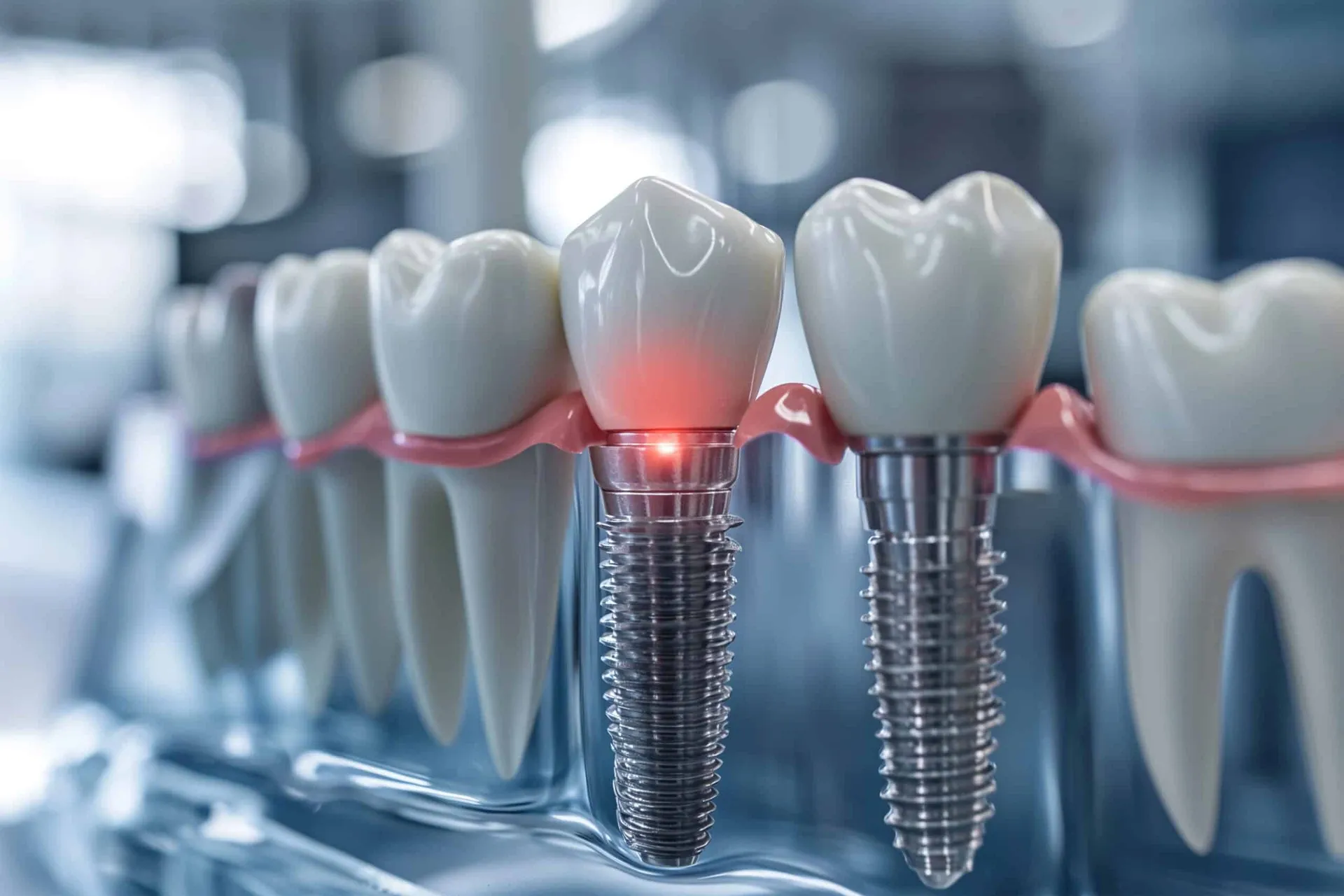
Dental implants are titanium artificial tooth roots that integrate with your jawbone. Unlike bridges or dentures, implants don’t rely on adjacent teeth for support. Moreover, they prevent bone loss that occurs when teeth are missing.
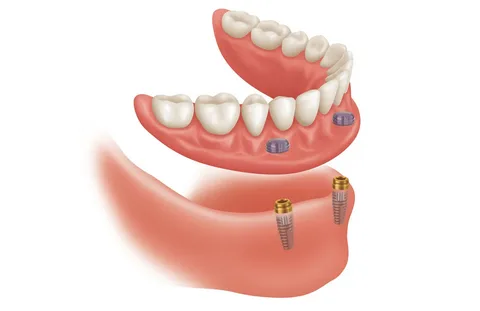
When comparing Dental Implants vs. Bridges or Dental Implants vs. Dentures, implants offer superior stability and longevity.
Stage 1: Initial Consultation and Planning
Your implant journey begins with comprehensive evaluation. Your dentist reviews medical history, takes X-rays and 3D scans, and assesses bone density. Furthermore, we address the Cost of Dental Implants and create customized treatment plans using advanced imaging technology.
Stage 2: Implant Placement Surgery
The first surgical phase involves placing the titanium implant into your jawbone. This procedure typically takes 1-2 hours per implant. Your dentist makes a small incision in the gum, creates space in the bone, and securely positions the implant.
Many patients worry about Dental Implant Pain Level. However, local anesthesia ensures comfort during surgery. Most patients report feeling pressure but no pain. Additionally, sedation options are available for anxious patients.
After placement, the implant sits below the gum line. The surgical site is sutured closed, and healing begins. Furthermore, temporary teeth may be placed to maintain appearance during healing.
Stage 3: Osseointegration – The Critical Healing Phase
The Osseointegration Process Explained involves your jawbone fusing with the implant. This integration creates a stable foundation for your new tooth. Moreover, osseointegration typically takes 3-6 months.
During this phase, bone cells attach to the implant surface and the implant becomes permanently anchored. This biological bonding ensures implants function like natural tooth roots.
Stage 4: Abutment Placement
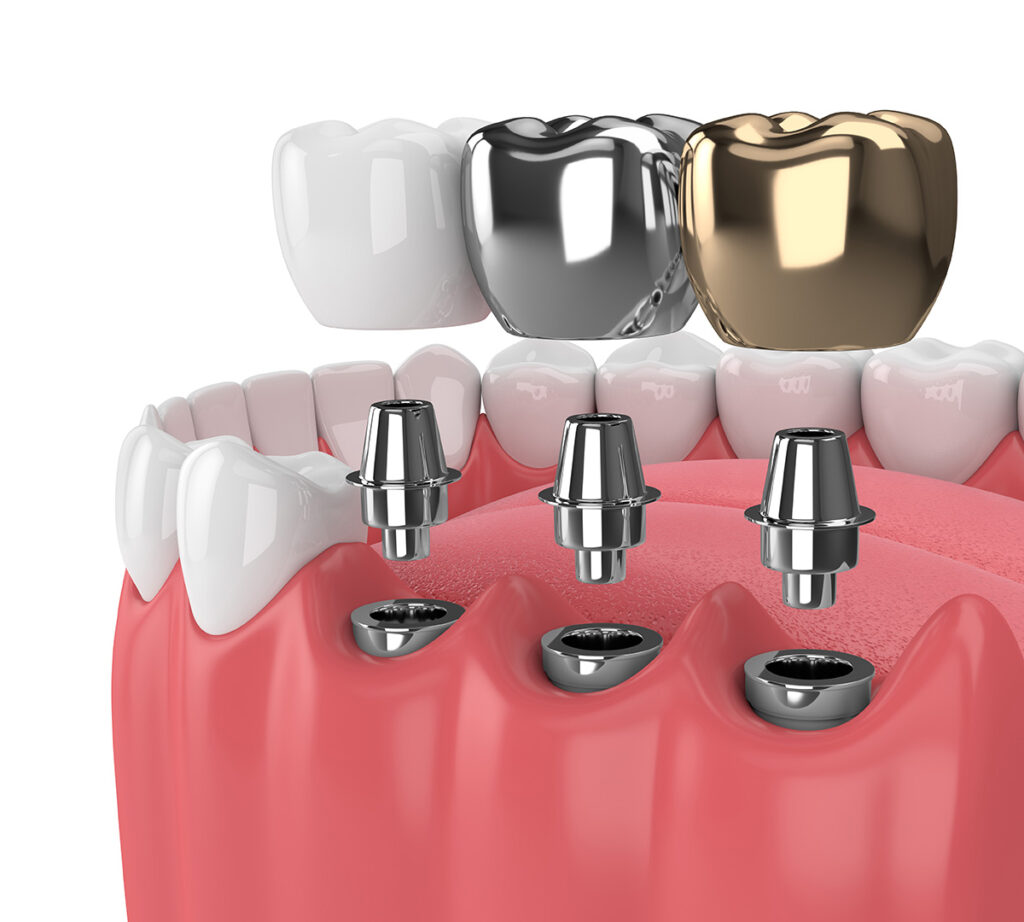
Once osseointegration completes, a second minor procedure attaches the abutment—a connector piece between implant and crown. Implant Abutment and Crown Placement requires exposing the implant through a small incision.
The abutment screws onto the implant and protrudes through the gums. Furthermore, gums need 1-2 weeks to heal before crown placement.
Stage 5: Crown Fabrication and Placement
The final stage involves creating and attaching your custom crown. Your dentist takes impressions to ensure perfect fit and natural appearance. Moreover, the crown is color-matched to surrounding teeth for seamless integration.
Once fabricated, the crown attaches to the abutment, completing your restoration. This permanent tooth replacement looks, feels, and functions naturally. Additionally, you can eat, speak, and smile confidently.
Can I Get an Implant in One Day?
Many patients ask, “Can I Get an Implant in One Day?” Same-day implants are possible for qualified candidates. This approach places the implant and temporary crown in one appointment. However, not everyone qualifies for immediate loading.
Factors determining candidacy include:
- Adequate bone density
- Good oral health
- Proper bite alignment
- Overall health status
Your Dental Avenue Hospital dentist evaluates whether same-day implants suit your situation. Furthermore, traditional multi-stage approaches often provide more predictable long-term results.
Post-Surgery Care and Recovery
Proper Dental Implant Aftercare ensures successful healing and integration. Immediately after surgery:
- Apply ice to reduce swelling
- Take prescribed medications
- Maintain gentle oral hygiene
- Rest adequately
What to Eat After Implant Surgery matters significantly. Stick to soft foods initially:
- Smoothies and protein shakes
- Yogurt and pudding
- Mashed potatoes
- Scrambled eggs
- Soup (not too hot)
Gradually reintroduce solid foods as healing progresses. Moreover, avoid hard, crunchy, or chewy foods during early recovery.
Potential Complications and Warning Signs
While dental implants have high Success Rate (95-98%), awareness of potential issues helps ensure prompt treatment. Signs of Implant Failure include:
- Persistent pain or discomfort
- Increasing swelling or redness
- Implant mobility or looseness
- Difficulty chewing
- Gum recession around implant
Peri-implantitis, inflammation and infection around implants, represents a serious concern. This condition can cause bone loss and implant failure if untreated. Furthermore, regular dental check-ups help detect problems early.
Smoking and Implants don’t mix well. Smoking significantly increases failure risk by:
- Impairing blood flow to surgical sites
- Slowing healing processes
- Increasing infection risk
- Reducing osseointegration success
Therefore, dentists strongly recommend quitting smoking before and after implant surgery.
Long-Term Success and Maintenance
How Long Do Dental Implants Last? With proper care, implants can last 25 years or even a lifetime. The titanium implant itself rarely fails once integrated. However, crowns may need replacement after 10-15 years due to normal wear.
Maintenance for Implants resembles natural tooth care:
- Brush twice daily with soft bristles
- Floss daily around implants
- Use antimicrobial mouthwash
- Attend regular dental check-ups
- Avoid grinding or clenching teeth
Furthermore, professional cleanings every six months help maintain implant health. Your dentist monitors for early signs of complications.
Long-term Durability depends on several factors:
- Quality of surgical placement
- Successful osseointegration
- Oral hygiene habits
- Regular dental visits
- Overall health maintenance
At Dental Avenue Hospital, we provide comprehensive aftercare instructions and long-term monitoring to maximize implant longevity.
Comparing Your Options
Understanding Dental Implants vs. Bridges helps inform decisions. Bridges require grinding down adjacent healthy teeth for support, while implants preserve surrounding teeth. Moreover, implants prevent bone loss that occurs with bridges.
Dental Implants vs. Dentures comparison shows implants’ advantages:
- Superior stability and comfort
- Natural appearance and function
- No slipping or clicking
- Preserved bone structure
- Enhanced confidence
While dentures cost less initially, implants offer better long-term value through durability and reduced maintenance needs.
Investment in Your Smile
The Cost of Dental Implants varies based on complexity, number of implants needed, and additional procedures like bone grafting. At Dental Avenue Hospital in Lahore, we provide transparent pricing and flexible payment options.
While implants represent significant investment, consider:
- Permanent tooth replacement
- Prevention of bone loss
- Protection of surrounding teeth
- Improved quality of life
- Long-term cost-effectiveness
Furthermore, the confidence and functionality implants restore often prove invaluable to patients.
Why Choose Dental Avenue Hospital?
At Dental Avenue Hospital in Lahore, we specialize in comprehensive implant dentistry. Our experienced team uses advanced technology and proven techniques to ensure optimal outcomes. Moreover, we prioritize patient comfort and education throughout treatment.
We understand that learning How Dental Implants Work Step by Step helps reduce anxiety about the process. Therefore, we encourage questions and provide detailed explanations at every stage.
Frequently Asked Questions
- What are the complete Dental Implant Procedure Steps from start to finish?
The Dental Implant Procedure Steps involve five main stages: (1) Initial consultation and planning with X-rays and scans, (2) Implant placement surgery where the titanium post is inserted into jawbone, (3) Osseointegration Process Explained as 3-6 months of healing while bone fuses with implant, (4) Abutment placement connecting the implant to crown, and (5) Implant Abutment and Crown Placement completing your restoration. Furthermore, this Complete Guide to Dental Implant Surgery timeline totals 4-8 months for traditional approaches, though same-day options exist for qualified candidates at Dental Avenue Hospital.
- How painful is the dental implant procedure?
The Dental Implant Pain Level remains surprisingly low. During surgery, local anesthesia ensures you feel no pain—only pressure. Most patients report less discomfort than tooth extraction. Furthermore, post-surgical pain is typically manageable with over-the-counter medication. Mild soreness, swelling, and bruising are normal for 3-7 days. Following proper Dental Implant Aftercare instructions and knowing What to Eat After Implant Surgery (soft foods initially) minimizes discomfort. At Dental Avenue Hospital, we provide detailed pain management strategies to ensure comfortable recovery.
- How long do dental implants last and what’s the success rate?
How Long Do Dental Implants Last? With proper care, implants can last 25+ years or even a lifetime. The Success Rate for dental implants is 95-98% when placed by experienced professionals. Furthermore, Long-term Durability depends on several factors including oral hygiene, regular check-ups, and overall health. Maintenance for Implants involves daily brushing and flossing plus professional cleanings every six months. However, Signs of Implant Failure include persistent pain, looseness, or swelling requiring immediate attention. Avoiding Smoking and Implants together significantly improves long-term success rates.
- Can I get dental implants in one day, and how much do they cost?
“Can I Get an Implant in One Day?” is possible for qualified candidates with adequate bone density and good oral health. Same-day implants place the implant and temporary crown in one visit, though not everyone qualifies. Furthermore, the Cost of Dental Implants in Lahore varies based on complexity and number of implants needed. At Dental Avenue Hospital, we provide transparent pricing and flexible payment plans. While implants cost more initially than bridges or dentures, their superior Long-term Durability and functionality often make them more cost-effective over time.
- How do dental implants compare to bridges and dentures?
Dental Implants vs. Bridges shows implants preserve adjacent healthy teeth, while bridges require grinding them down for support. Moreover, implants prevent bone loss that occurs with bridges. Dental Implants vs. Dentures reveals implants offer superior stability, comfort, and natural function without slipping. Furthermore, implants maintain jawbone structure and don’t require removal for cleaning. While dentures have lower upfront costs, implants provide better long-term value. Understanding the Stages of Dental Implant Placement helps patients appreciate why implants deliver more natural, durable results than alternative tooth replacement options.