Can I Extract a Tooth While Fasting?
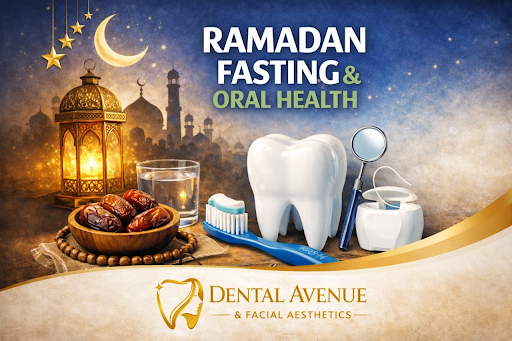
Every year, millions of Muslims in Lahore and across Pakistan observe Ramadan — a month of devotion, reflection, and fasting. However, dental emergencies do not pause for Ramadan. If you are struggling with a painful tooth, you may be asking yourself: “Can I get a tooth extraction while fasting?” The short answer is yes — but there are important things you need to know first. At Dental Avenue and Facial Aesthetics in Lahore, we guide our patients through every aspect of dental care fasting to ensure both their health and their peace of mind.
In this comprehensive guide, we cover everything about tooth extraction fasting, the role of local anesthesia, managing bleeding after extraction, and how to achieve a smooth extraction recovery. Furthermore, we address common concerns around Ramadan dentistry so that you can make a confident, informed decision.
Is Tooth Extraction Safe While Fasting?
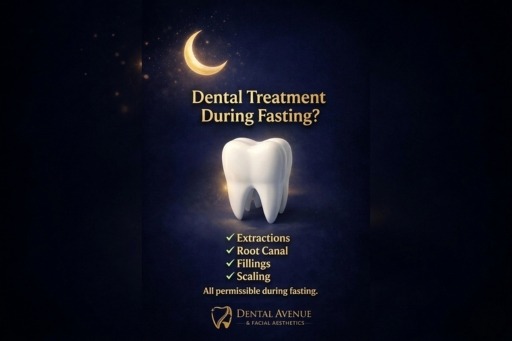
Tooth extraction is generally safe during fasting. Dentists routinely perform oral surgery on fasting patients, and the dental procedure itself does not require you to eat or drink beforehand. However, there are several factors your dentist must consider before proceeding with a fasting dental procedure.
First and foremost, your overall health matters. If you have diabetes, low blood pressure, or another systemic condition, fasting can increase procedural risk. Therefore, always disclose your full medical history to your dentist at Dental Avenue and Facial Aesthetics before scheduling your oral surgery.
How Does Local Anesthesia Work During Fasting?
One of the biggest concerns patients raise is whether local anesthesia fasting is permitted during Ramadan. Scholars generally agree that local anesthesia — injected directly into the gum tissue — does not break the fast because it does not enter the digestive system. However, we strongly advise you to consult your religious authority if you have personal doubts.
At Dental Avenue and Facial Aesthetics, we use high-quality local anesthesia to ensure you feel no pain during your tooth extraction. Additionally, our experienced team takes special care to minimize bleeding and discomfort throughout the dental procedure. As a result, most patients report a comfortable experience even while fasting.
What Happens to Bleeding After Extraction During Fasting?
Managing dental bleeding is a key part of any oral surgery. After a tooth extraction, your team of specialist dentists will place a gauze pad over the socket and ask you to bite down gently. This helps control bleeding and promotes clot formation.
During Ramadan, you must be careful not to rinse your mouth vigorously or swallow blood, as doing so may disturb the clot and prolong bleeding after extraction. Moreover, dehydration from fasting can affect healing, so our team monitors your condition closely to ensure safe extraction recovery.
Quick Reference Table: Tooth Extraction During Ramadan
| Question | Answer |
|---|---|
| Is tooth extraction safe while fasting? | Yes, generally safe for healthy individuals |
| Does local anesthesia break the fast? | No, scholars generally agree it does not |
| Does tooth extraction break the fast? | No, as long as blood/medication is not swallowed |
| Best time for the procedure? | Just before Iftar or after Suhoor |
| Can you take pain medication? | Yes — at Iftar or Suhoor |
| Should diabetic patients fast before extraction? | Consult your dentist first |
| Can you eat after extraction? | Yes — soft foods at Iftar recommended |
| Should you use a straw after extraction? | No — risk of dry socket |
| Can smokers fast and get extraction? | Avoid smoking — delays healing |
| When to postpone extraction? | Uncontrolled diabetes, blood thinners, complex surgery |
The Best Time to Schedule a Dental Procedure During Ramadan
Timing is everything when it comes to a fasting dental procedure. At Dental Avenue and Facial Aesthetics, we recommend scheduling your tooth extraction close to Iftar time. This way, you can eat and take prescribed medications — including pain relievers — shortly after the procedure.
Alternatively, you can schedule your dental treatment Ramadan in the early morning immediately after Suhoor. Consequently, your body will have adequate energy and hydration for both the procedure and the initial extraction recovery period.
Tips for a Smooth Extraction Recovery While Fasting
Following the right aftercare steps is crucial for successful extraction recovery. Here is what we advise our patients at Dental Avenue and Facial Aesthetics:
- Stay hydrated during non-fasting hours. Drink plenty of water at Suhoor and Iftar to support healing.
- Avoid strenuous activity during the day, as physical exertion increases bleeding risk and slows oral surgery recovery.
- Take pain medication as prescribed at Iftar or Suhoor to manage pain effectively without breaking your fast.
- Eat soft foods at Iftar — soups, yogurt, and mashed foods are gentle on the extraction site and support dentistry-approved healing.
- Avoid smoking, even after Iftar, as tobacco interferes with clot formation and significantly worsens dental bleeding.
- Do not use straws, since suction can dislodge the clot and cause a painful condition known as dry socket.
- Contact your dentist immediately if you notice excessive bleeding, severe pain, or signs of infection during Ramadan.
Does Tooth Extraction Break the Fast?
This is a very common question among patients seeking dental treatment during Ramadan. According to most Islamic scholars, tooth extraction itself does not invalidate the fast, provided that the patient does not swallow blood or any medication. The local anesthesia injection used in oral surgery also does not break the fast in the majority of scholarly opinions, since it is administered locally and not ingested.
Nevertheless, at Dental Avenue and Facial Aesthetics, we always encourage patients to seek personal religious guidance, because individual beliefs and scholarly interpretations can vary. What we can guarantee, however, is that we will always perform your dental procedure with the highest standards of care and sensitivity.
When Should You Postpone a Tooth Extraction During Ramadan?
Although safe tooth removal during Ramadan is usually possible, there are situations where postponing oral surgery fasting is the wiser choice. For example, if you:
- Have uncontrolled diabetes or hypertension that worsens with fasting
- Are on blood thinners that increase the risk of prolonged dental bleeding
- Need complex surgical removal or multiple extractions at once
- Are experiencing a severe oral infection that requires immediate antibiotics or IV fluids
In such cases, our team will discuss your options transparently and help you decide whether to proceed or schedule your fasting dental procedure after Ramadan ends.
Choose Dental Avenue and Facial Aesthetics in Lahore Askari 10?
At Dental Avenue and Facial Aesthetics, we have built our reputation on compassionate, specialist dentistry in Lahore, Askari 10. Our team understands the unique needs of fasting patients, especially during Ramadan. Therefore, we offer flexible appointment times to accommodate your fasting schedule, including early morning and evening slots close to Iftar.
Moreover, we are the latest in digital dentistry technology and equipment in oral surgery and local anesthesia fasting protocols to ensure minimal pain, minimal bleeding, and rapid extraction recovery. Whether you need a routine tooth extraction or a complex surgical removal, we are here to support you through every step of your dental care fasting journey.
Protect Your Oral Health Even During Ramadan
In summary, tooth extraction fasting is generally safe and manageable, particularly when performed by an experienced dental team. By timing your dental procedure wisely, following proper aftercare, and keeping your dentist informed about your health, you can achieve a smooth extraction recovery even during Ramadan. Above all, never ignore a dental emergency — seeking timely oral surgery protects your overall health and prevents complications.
For specialist, compassionate Ramadan dentistry in Lahore, trust Dental Avenue and Facial Aesthetics. Now we are serving the locations including As.kari, Gullberg, Cantt, DHA, and MM Alam. Book your consultation today and let us take care of your smile — every day of the year.
Frequently Asked Questions
Can I get a tooth extraction while fasting during Ramadan?
Yes, you can undergo a tooth extraction while fasting. Most Islamic scholars agree that local anesthesia and the dental procedure itself do not break the fast, as long as you do not swallow blood or medications. However, we recommend consulting your religious authority for personal guidance.
Does local anesthesia break the fast?
In most scholarly opinions, local anesthesia fasting is permissible because the anesthetic is injected into the tissue and does not enter the digestive tract. Therefore, fasting and anesthesia can coexist safely in the context of Ramadan dentistry.
How do I manage pain after a tooth extraction while fasting?
You can take prescribed pain relief medication at Iftar or Suhoor. Additionally, applying a cold compress on the outside of the cheek reduces swelling. Always follow your dentist’s aftercare instructions for a comfortable extraction recovery.
What should I eat after a tooth extraction during Ramadan?
At Iftar, focus on soft, nutritious foods such as soups, yogurt, mashed potatoes, and smoothies. Avoid hard, crunchy, or spicy foods that can irritate the oral surgery site. Staying well-hydrated between Iftar and Suhoor is also essential for extraction recovery.
When should I see a dentist immediately after a tooth extraction?
Contact Dental Avenue and Facial Aesthetics immediately if you experience heavy or prolonged dental bleeding, severe pain that does not respond to medication, fever, or signs of infection such as swelling and pus. Prompt care is crucial for safe tooth removal outcomes and your overall oral health.