How Should Aligners Fit? Your Guide to Proper Aligner Fit
Specialist Aligner Dentists. Latest in Digital Dental Technology. What good fit looks and feels like, when chewies help, and how to spot a tracking issue early — for patients at every stage of treatment.
Fit is the thing most new clear aligner patients only think about when something feels off — a tray that won't quite seat, a gap near the back molars, a corner that keeps popping loose. In truth, fit is worth understanding from day one, because it's the clearest day-to-day signal that your treatment is tracking the way it should. This guide covers what good fit actually looks and feels like, when chewies help, and what the early warning signs of a tracking issue are.
See also: Your First Week with Clear Aligners: What to Expect | Do Clear Aligners Hurt? Pain & Comfort Guide | Frequently Asked Questions
What a Well-Fitting Aligner Looks Like
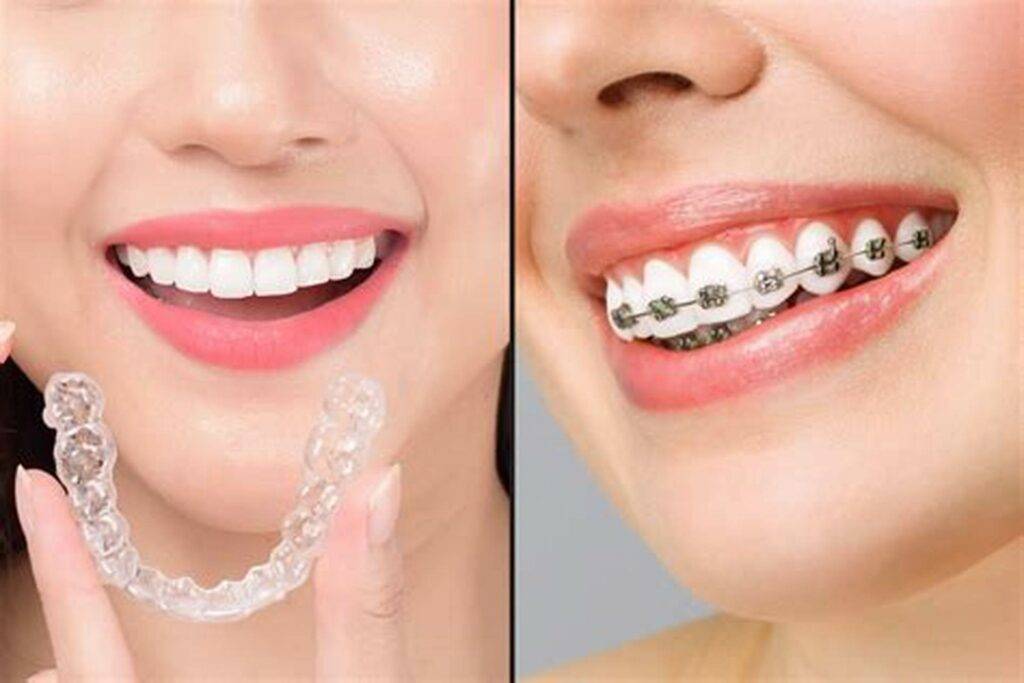
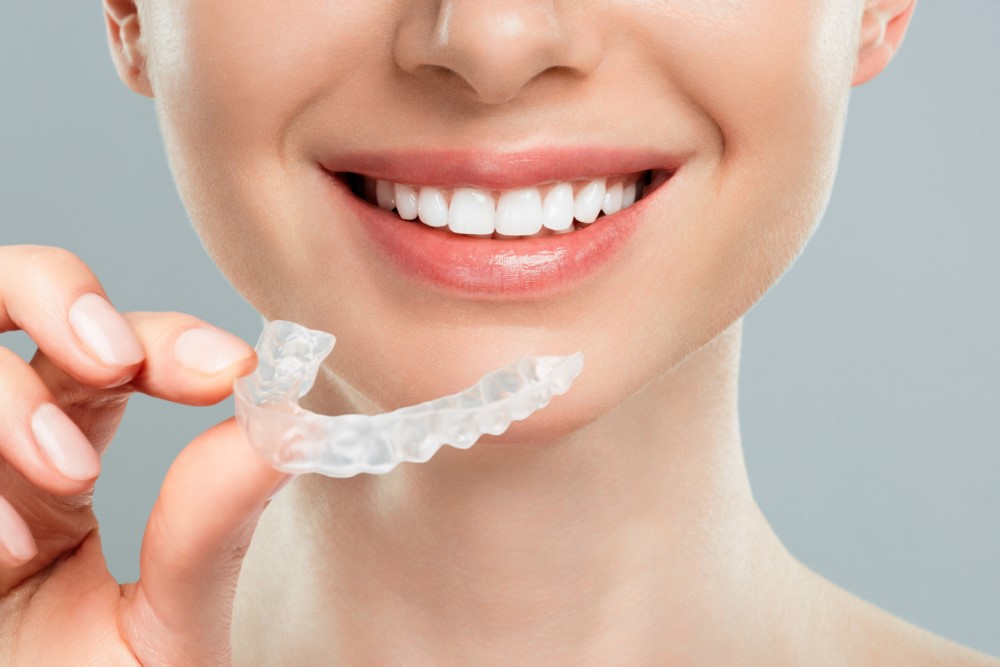
A well-fitting tray sits flush against every tooth, edge to edge, with no visible lifting, bubbling, or daylight showing between the plastic and your enamel. From the front it should look almost invisible against your teeth — no corners flaring out, no visible gap along the gumline. This is what your clear aligner is designed to do at every stage, and it's worth a quick check in the mirror each time you switch to a new tray. The American Association of Orthodontists notes that aligners are custom-formed to the shape of your teeth and apply pressure in small increments — which is exactly why a snug, flush fit at every stage matters.
Every tooth, including the back molars, should be fully capped by the tray with no visible space between the plastic edge and the tooth surface underneath.
The tray shouldn't rock, flex, or lift away from any single tooth when you bite down — a well-seated tray feels stable and even across your whole arch.
Quick tip: Check fit from the side as well as the front — a tray can look fine head-on but still show a visible gap near the back molars when viewed from an angle.
What New Tray Fit Feels Like
A brand-new tray is supposed to feel tight — that tightness is the tray doing its job, applying gentle pressure to move your teeth toward their next position. It's normal for a new tray to feel snug, slightly achy for the first day or two, and noticeably firmer than the tray you just finished wearing.
| Sensation | Normal or Not? | Why |
|---|---|---|
| Snug, firm pressure on switch day | Normal | The tray is applying force to move teeth to their next stage |
| Mild dull ache for 24–48 hours | Normal | Teeth and ligaments adjusting to new pressure |
| Tray clicks fully into place within a day or two | Normal | Teeth settle into the tray as they respond to pressure |
| Sharp, localized pain at one tooth | Not normal | May indicate a tracking issue or tray that needs checking |
| Tray never fully seats after several days | Not normal | Sign that a tooth isn't moving as planned |
What Helps in the First Day or Two
- Switch to new trays at night so the tightest period happens while you're asleep
- Biting down gently on a chewie for a few minutes helps seat a new tray faster
- Mild over-the-counter pain relief is fine if the ache is uncomfortable, but it usually settles on its own
Using Chewies to Improve Fit
Chewies are small, soft cylindrical pieces you bite down on to help seat a new tray fully. They're one of the simplest tools for improving fit, especially in the first day or two after switching trays, and most patients are given a set at the start of treatment.
Place the chewie between your back molars and bite down firmly for 3 to 5 seconds, then release. Move it along your bite line — front, sides, and back — repeating for a few minutes until the tray feels fully seated.
Right after inserting a new tray, or any time a tray feels like it's not sitting flush — a few minutes with a chewie often resolves minor seating gaps on its own.
A Few Practical Notes
- Chewies can be rinsed and reused for several weeks before they need replacing
- Biting a rolled-up piece of gauze or a cotton roll works in a pinch if you're out of chewies
- If a tray still won't seat after regular chewie use over a couple of days, that's worth flagging to your dentist rather than continuing to push through it
Signs of Poor Fit or Tracking Issues
Most trays settle within a day or two. When one doesn't, there are a handful of consistent signs worth watching for — catching them early makes any correction simpler.
Signs Worth Paying Attention To
- A visible gap between the tray and one or more teeth that doesn't close after a couple of days
- A tray that lifts or pops off a specific tooth repeatedly, even after reseating
- Persistent, localized pressure or pain at a single tooth rather than the general achiness of a new tray
- Difficulty getting the next tray in the series to seat at all, even with chewies
- A tray that fits the front teeth fine but visibly doesn't reach the back molars
Good to know: One tray fitting slightly less perfectly than the last isn't automatically a problem — it's the pattern over several days, not a single snug moment, that signals a tracking issue.
Why Tracking Issues Occur
Tracking issues almost always come down to a tooth moving slower, or in a slightly different direction, than the treatment plan predicted. This is a normal part of orthodontic movement rather than a sign anything has gone badly wrong, and there are a few common causes behind it.
Falling under the recommended 20 to 22 hours a day, even by an hour or two consistently, gives teeth less time under pressure than the plan assumes, and movement falls behind schedule.
Rotations, movements on teeth with short roots, or larger position changes are naturally harder to track precisely and are more likely to need a mid-course correction.
Moving to a new tray before the current one has fully seated compounds the gap — the next tray then has to correct for a tooth that's even further from plan.
Small tooth-colored attachments help trays grip and move certain teeth. If one comes off and isn't noticed, the tray it supports can lose fit in that area.
This is also why orthodontic review appointments matter throughout treatment — a dentist can spot a tracking issue and correct it long before it becomes something you'd notice yourself.
What to Do If You Notice a Fit Problem
Minor fit issues are common and usually easy to fix. The key is not to guess your way through several trays hoping it resolves on its own, since that can let a small gap turn into a bigger one.
Steps to Take
- Use a chewie for a few minutes, several times over a day or two, before assuming anything is wrong
- Check whether all your attachments are still in place and haven't come loose
- If the tray still isn't seating after consistent chewie use, stay on your current tray rather than moving ahead in the series
- Contact your dentist if a gap persists past two or three days, or if you notice pain that isn't the usual new-tray ache
- Bring your two most recent trays to your appointment so your dentist can compare fit and decide whether a refinement is needed
How to Check Your Fit at Home
A quick two-minute check after inserting each new tray catches most fit issues early, before they have a chance to compound.
A Simple Home Check
- Look in a mirror with good lighting and check the tray edge along the gumline, tooth by tooth, on both the front and back of your teeth
- Run a fingernail gently along the tray edge — it should feel smooth and flush, not lifted or springy at any point
- Bite down normally and check whether the tray feels even, with no single tooth taking more pressure than the rest
- Pay particular attention to your back molars, since gaps there are easy to miss but are one of the more common tracking issue locations
- Repeat the check after a few minutes with a chewie if anything looked off on the first pass
Quick tip: Photograph your bite from the front and side each time you switch trays — a quick photo log makes it much easier to describe a fit concern accurately if you do need to reach out to your dentist.
Your Aligno Team Is Here to Help
Fit questions come up at almost every stage of treatment, and catching a tracking issue early is one of the simplest ways to keep your treatment plan on schedule.
Fit Checked at Every Visit
Every review appointment includes a fit check on your current tray, so small tracking issues are caught before they need a bigger correction.
Real Answers Between Visits
Not sure whether a gap or an ache is normal? Reach our Aligno team directly on WhatsApp or by phone rather than pushing through several trays and guessing.
Refinements When Needed
If a tooth has fallen behind plan, we can arrange a refinement scan or new set of trays to bring your treatment back on track quickly.
10+ Years Treating Lahore Patients
A decade of experience monitoring tray fit and tracking across DHA, Cantt, and Johar Town patients, from first tray to final result.
If a tray isn't seating the way it should, it's always faster to ask us directly than to wait and see. Dental Avenue's Aligno Aligner Specialists and Orthodontists check fit at every visit and are available between appointments for anything that doesn't look or feel right.
Good Fit vs Fit Problem at a Glance
| Situation | Normal or Flag It? | Key Reminder |
|---|---|---|
| Snug feeling on a new tray | Normal | Settles within a day or two, especially with chewie use |
| Small gap that closes within 48 hours | Normal | Part of the tooth catching up to the tray |
| Gap or lifted corner past 2–3 days | Flag it | Contact your dentist rather than moving to the next tray |
| Sharp pain at one specific tooth | Flag it | Different from the general ache of a new tray |
| Attachment feels missing or smooth | Flag it | Check visually and mention it at your next visit |
Frequently Asked Questions
Is it normal for a new tray to feel tight?
Yes. A snug, firm feeling on switch day means the tray is applying the pressure it's designed to. It usually settles within a day or two, sooner with regular chewie use.
How long should I use a chewie for?
A few minutes at a time, moving it along your bite line, a few times over the first day or two after switching trays. There's no harm in using one longer if a tray still feels like it hasn't fully seated.
What if my tray still doesn't fit after a few days of chewie use?
Stay on your current tray rather than moving ahead in the series, and get in touch with your dentist. It likely just needs a check rather than anything serious, but it shouldn't be ignored.
Can I move on to the next tray if the current one still has a small gap?
It's best not to. Moving ahead before a tray is fully seated tends to compound the gap in the next tray rather than resolve it.
Does a tracking issue mean my treatment has failed?
No. Tracking issues are a normal part of aligner treatment for many patients and are usually corrected with a refinement scan or an adjusted set of trays, without derailing the overall plan.
Dental Avenue & Facial Aesthetics
Opposite Askari X, Near DHA Lahore Cantt
0325 044 5558 | dentalavenuehospital@gmail.com
Copyright © 2026 Dental Avenue & Facial Aesthetics