Orthodontists: A Complete Guide to Choosing the Right Specialist for Your Smile
Not every dentist who offers braces is an orthodontist — and the difference matters more than most patients realize. Here's how to recognize genuine orthodontics experts and what real expertise actually looks like in practice.
"Should I see a general dentist or an orthodontist?" is one of the most common questions people ask before starting treatment for crooked teeth, an overbite, or a misaligned bite. It's a reasonable question, because the title "orthodontics expert" gets used loosely online, while the actual qualification behind it is very specific. This guide walks through what true orthodontic expertise involves, who should be on your treatment team, and what to expect from your first consultation through to your final retainer fitting.
What Actually Makes Someone an Orthodontics Expert
Straightening teeth looks simple from the outside — a set of brackets, a series of clear trays, a few tightening appointments. In reality, every movement is a calculated response to bone density, jaw growth, and bite mechanics, which is exactly why the person planning it matters as much as the treatment itself.
Years of Additional Specialist Training
A genuine orthodontist completes dental school and then a further dedicated residency in orthodontics — training a general dentist offering braces simply hasn't completed.
Understanding of Growth and Bite Mechanics
Real expertise means reading how a jaw is developing, not just where a tooth currently sits, so treatment doesn't need to be redone later.
Experience Across Complex Cases
Impacted canines, severe overbites, and combined jaw-and-teeth corrections require pattern recognition built from treating hundreds of varied cases.
A Say in the Right Appliance, Not Just Any Appliance
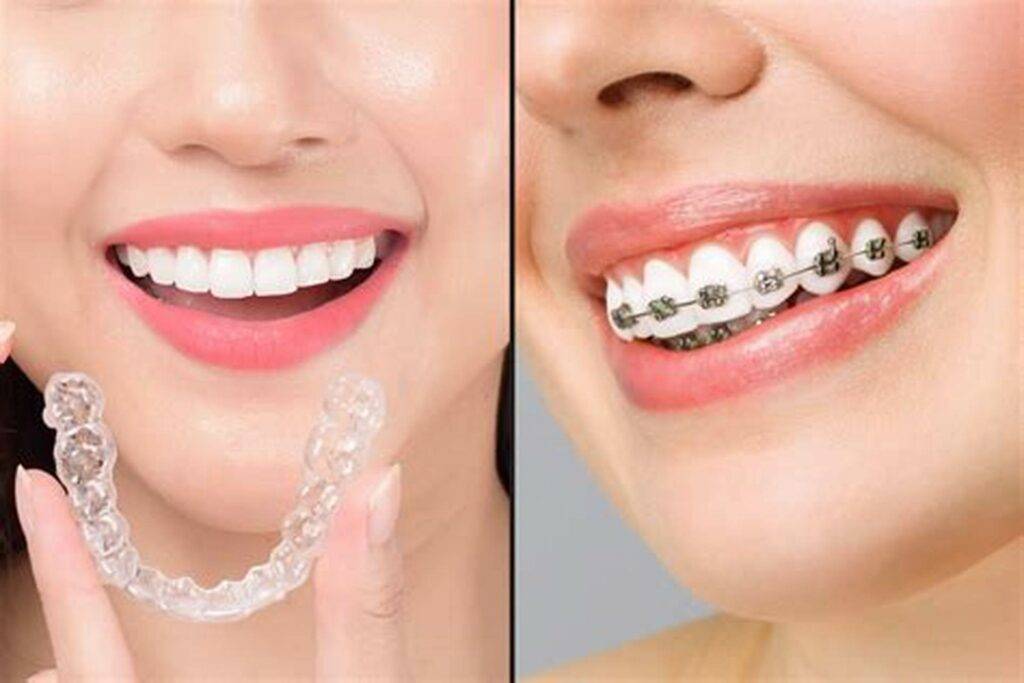
Experts recommend metal braces, ceramic braces, clear aligners, or functional appliances based on what the case actually needs — not what's easiest to sell.
The Team of Specialists Behind Every Orthodontic Case
Orthodontic treatment is rarely a one-person job, especially once a case involves surgery, growth monitoring, or a child's developing bite. A properly staffed orthodontic team brings together several distinct specialists.
- Orthodontic Specialists — dentists with additional residency training focused entirely on tooth movement, bite correction, and jaw alignment
- Oral & Maxillofacial Surgeons — surgical specialists brought in for jaw surgery, impacted teeth, or severe skeletal corrections
- Pediatric Dentists — monitor a child's dental development early and refer at the right moment for interceptive orthodontics
- Orthodontic Technicians & Assistants — trained specifically in appliance adjustments, scanning, and day-to-day patient care
Why a Purpose-Built Orthodontic Practice Matters
Orthodontic treatment can run for eighteen months or longer, which means the practice you choose isn't a single visit — it's a relationship. A facility built specifically around orthodontics makes that relationship far smoother.
Dedicated Consultation & Scanning Suites
Spaces designed for digital impressions, imaging, and treatment-planning discussions, separate from routine dental care.
In-House Appliance Fabrication or Fast Turnaround
Retainers, aligners, and custom appliances produced or ordered efficiently, so treatment isn't delayed by outside labs.
Equipment Sized for Every Age Group
From young children starting early interceptive treatment to adults seeking discreet aligners, equipment suited to each patient.
Flexible Recall Scheduling
A practice built around orthodontics understands that consistent, on-time adjustment visits are what keep a treatment plan on track.
Latest in Digital Orthodontic Technology
Modern orthodontics experts plan cases with the same digital precision used across the rest of dentistry, which means more predictable outcomes and fewer surprise adjustments along the way.
3D Digital Scanning
Intraoral scanners replace messy impression putty, capturing an accurate model of your teeth and bite in minutes.
Digital Treatment Simulation
Software maps out the full movement plan in advance, so you can see roughly how your smile will change before treatment even starts.
Cephalometric & Panoramic Imaging
Specialized X-rays reveal root positions, jaw relationships, and unerupted teeth that a standard exam simply can't show.
Custom Clear Aligner Systems
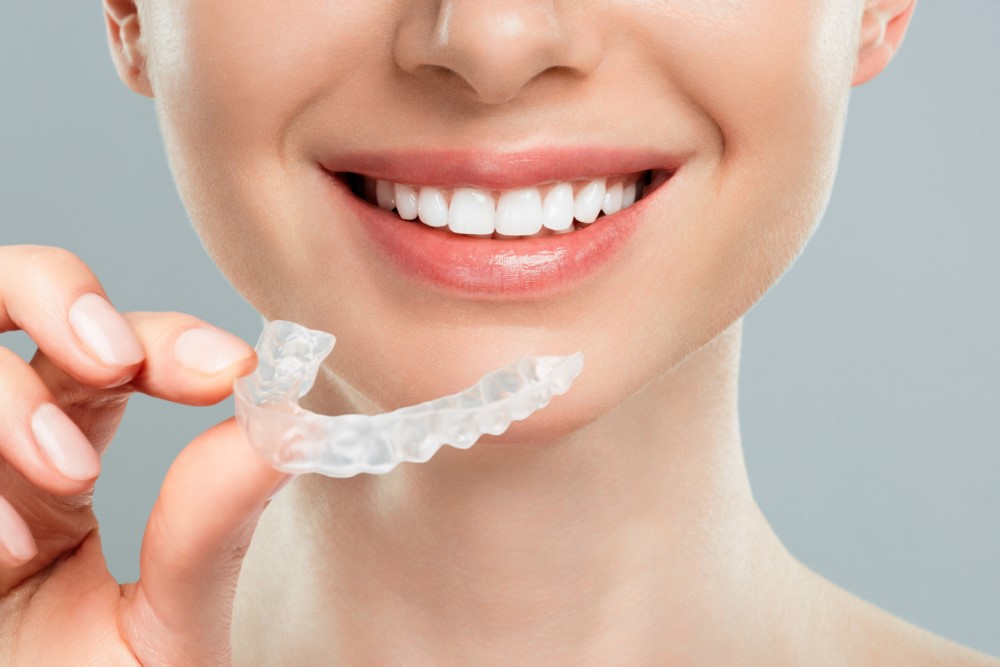
Aligner sequences designed around your specific scan, adjusted as treatment progresses rather than left on a fixed generic plan.
Hygiene and Clinical Standards That Should Never Be Optional
Braces and aligners sit in the mouth for months at a time, which makes hygiene standards during fitting, adjustment, and appliance handling every bit as important as the orthodontic planning itself.
- Full sterilization of brackets, wires, and instruments between every single patient
- Single-use disposable items wherever appropriate, including certain scanning and impression materials
- Chairs and adjustment stations disinfected and reset before each appointment
- Strict hand hygiene and personal protective equipment at every stage of appliance handling
- Clean, well-ventilated treatment rooms maintained to a consistent standard
- Regular audits to confirm protocols are actually followed, not simply documented
What to Expect From Consultation to Retainer
Most of the uncertainty around orthodontics comes from not knowing how long each stage takes or what happens next. Here's the general shape of a full course of treatment.
- An initial consultation with digital scans, X-rays, and a full bite assessment
- A treatment plan discussion covering appliance options, estimated duration, and cost
- Fitting of braces or delivery of your first set of aligners, with clear care instructions
- Regular adjustment visits, typically every four to eight weeks, to keep movement on track
- A retention phase with a custom retainer once active movement is complete, to protect your results long term
Orthodontic Care at a Glance
| Concern | Who Handles It | Why It Matters |
|---|---|---|
| Diagnosis & full treatment planning | Orthodontic Specialist | Trained specifically in tooth movement and bite correction |
| Jaw surgery or severe skeletal cases | Oral & Maxillofacial Surgeon | Surgical expertise beyond routine orthodontic treatment |
| Early monitoring in children | Pediatric Dentist | Identifies the right time to refer for interceptive treatment |
| Day-to-day adjustments & scanning | Orthodontic Technicians & Assistants | Consistent, hands-on support throughout treatment |
| Facility & equipment | Purpose-Built Orthodontic Practice | Digital planning tools and appliances suited to every age group |
| Cross-infection risk | Infection Control Protocols | Sterilization and hygiene standards applied to every patient, every visit |
Frequently Asked Questions
What's the difference between a dentist and an orthodontist?
Every orthodontist is a dentist, but not every dentist is an orthodontist. Orthodontists complete several additional years of specialist residency focused entirely on tooth movement and bite correction, which is the training that qualifies someone as a genuine orthodontics expert.
At what age should my child first see an orthodontics expert?
Most specialists recommend an initial evaluation around age seven, even if no treatment starts right away. This allows early issues with jaw growth or crowding to be caught and monitored before they become harder to correct.
How do I know if I need braces or clear aligners?
This depends on the complexity of your bite, your daily habits, and your treatment goals. An orthodontics expert will assess your scans and X-rays during consultation and recommend the appliance suited to your specific case — whether that's clear aligners, ceramic braces, or fully hidden lingual braces — not a one-size-fits-all option.
How long does orthodontic treatment usually take?
Treatment time varies from around six months for minor corrections to two years or more for complex bite issues. Your orthodontist will give you a realistic estimate once your full treatment plan is mapped out.
Do I still need a retainer after my braces come off?
Yes. Teeth naturally drift back over time without support, so a custom retainer — worn as directed — is what protects the results of your treatment for years to come.
Choosing Orthodontics Experts You Can Actually Trust
There isn't a one-size-fits-all answer to which orthodontic treatment is right for you — it depends on your bite, your age, and your goals. What matters is that your case is diagnosed and planned by a genuinely qualified specialist team, in a practice built around orthodontic care.
A Team, Not Just a Braces Provider
Orthodontic Specialists, Oral & Maxillofacial Surgeons, Pediatric Dentists, and trained Orthodontic Assistants each play a distinct role.
Built for Orthodontics, Not Added to a General Practice
A purpose-built orthodontic practice, with scanning suites and appliance systems suited to every age group.
Planned With Modern Digital Technology
3D scanning, digital simulation, and cephalometric imaging make treatment more predictable from day one.
Hygiene as a Non-Negotiable Standard
The highest standards of infection control, applied consistently across every adjustment visit.
Whatever your smile goals, the only way to know exactly what your treatment would involve is a proper consultation — not a generic guide. Our team of Orthodontic Specialists, Oral & Maxillofacial Surgeons, and Pediatric Dentists can walk you through what's right for you from your very first visit.