Are you considering dental implants but feeling overwhelmed by the various options available? You’re not alone. Understanding the types of dental implants is crucial for making an informed decision about your oral health. At Dental Avenue Hospital in Lahore, we believe that every patient deserves clarity when choosing their dental restoration path.
Understanding Dental Implants: More Than Just Replacement Teeth
Dental implants have revolutionized modern dentistry. Moreover, they offer a permanent solution that looks, feels, and functions like natural teeth. However, not all implants are created equal. Therefore, knowing which type suits your specific needs can make all the difference in your treatment outcome.
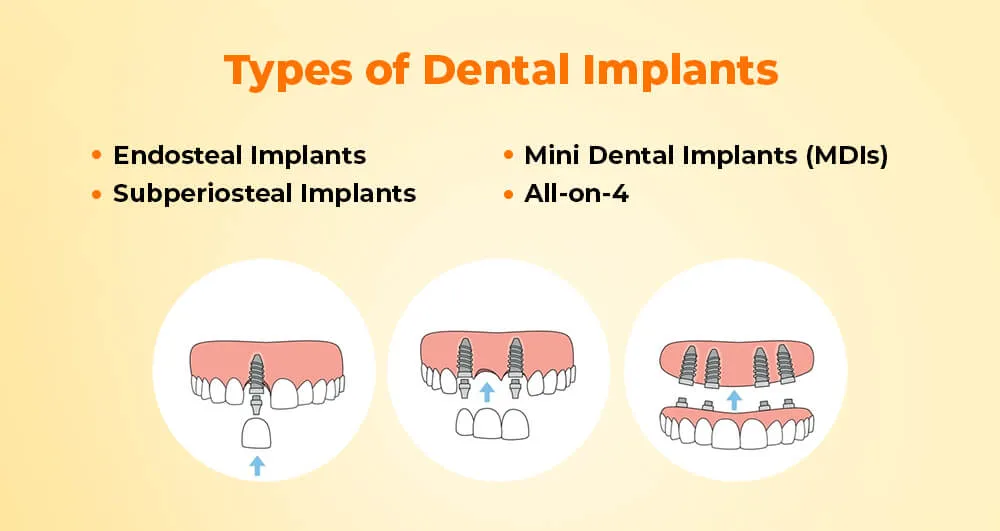
The types of dental implants vary based on placement technique, materials used, and the number of teeth being replaced. Consequently, your dentist will recommend options based on your bone density, oral health, and budget considerations.
The Main Categories of Dental Implants
Endosteal Implants: The Gold Standard
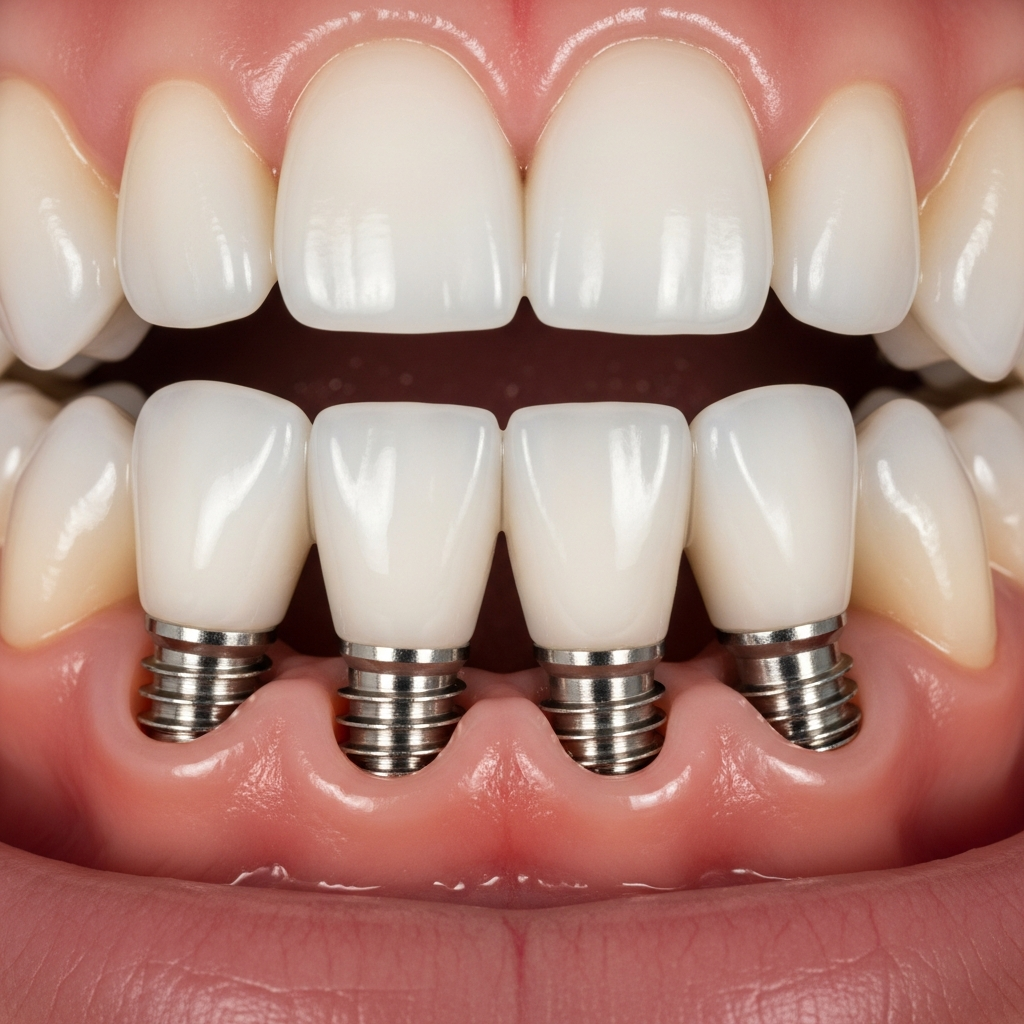
Endosteal vs subperiosteal implants represents the most common comparison in implant dentistry. Endosteal implants are surgically placed directly into the jawbone. Furthermore, they’re considered the best dental implant type for most patients because they offer superior stability and longevity.
These implants typically use titanium screws that integrate with your jawbone through a process called osseointegration. Additionally, they’re suitable for patients with adequate bone density and healthy gums.
Subperiosteal Implants: Alternative Solutions
Unlike endosteal implants, subperiosteal implants sit on top of the jawbone but beneath the gum tissue. Similarly, they’re an excellent option for patients who cannot undergo bone grafting procedures. At Dental Avenue Hospital, we recommend subperiosteal implants specifically for patients with insufficient bone height.
Zygomatic Implants: Advanced Technology
Zygomatic dental implants represent cutting-edge dental implant technology types designed for patients with severe bone loss in the upper jaw. Instead of anchoring into the maxillary bone, these longer implants secure into the zygomatic bone (cheekbone). Consequently, they eliminate the need for extensive bone grafting procedures.
Material Matters: Choosing Your Implant Composition
The debate of ceramic vs titanium implants continues in dental circles. Titanium remains the most popular choice among dental implant materials due to its excellent biocompatibility and strength. However, ceramic implants are gaining popularity for patients with metal sensitivities or those seeking metal-free solutions.
Both materials offer exceptional durability. Nevertheless, your dentist at Dental Avenue Hospital will help you determine which option aligns with your health profile and aesthetic goals.
Full Mouth Solutions: Comprehensive Restoration
All-on-4 Dental Implants
All-on-4 dental implants have transformed full-arch restoration. This technique uses just four strategically placed implants to support an entire arch of replacement teeth. Moreover, it offers a cost-effective solution compared to individual implants for each missing tooth.
The procedure is particularly beneficial for patients seeking full mouth dental implants types without extensive surgery. Additionally, it often allows for immediate loading, meaning you can walk out with temporary teeth the same day.
All-on-6 Dental Implants
All-on-6 dental implants follow a similar concept but use six implants instead of four. Therefore, they provide additional stability and support, especially for patients with moderate bone loss. Furthermore, this option distributes chewing forces more evenly across the jaw.
Specialized Implant Solutions
Mini Dental Implants
Mini dental implants offer a less invasive alternative with a smaller diameter than traditional implants. Consequently, they’re perfect for stabilizing dentures or replacing smaller teeth. The procedure typically requires minimal recovery time, making it ideal for patients seeking quick solutions.
Single Tooth Implant Types
When replacing individual teeth, single tooth implant types come in various designs. Each option considers factors like tooth location, bite force, and aesthetic requirements. Similarly, your dentist will evaluate your specific situation to recommend the most appropriate solution.
Advanced Techniques and Procedures
Immediate Load Implants
Immediate load implants allow placement of temporary teeth during the same appointment as implant surgery. This approach significantly reduces treatment time. However, not all patients qualify for this accelerated procedure. Your dentist will assess bone quality and other factors before recommending this option.
Implant-Supported Dentures
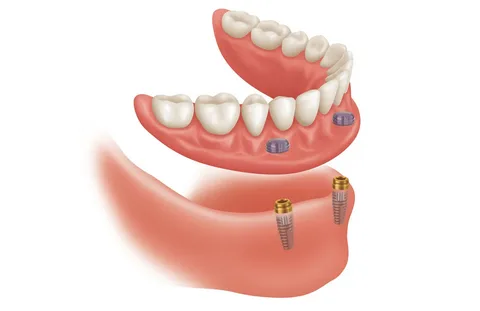
Implant-supported dentures combine the stability of implants with the coverage of dentures. Unlike traditional dentures that rest on gums, these prosthetics snap onto implants. Consequently, they eliminate slippage and improve chewing efficiency dramatically.
Special Considerations
Bone Graft vs No Bone Graft Implants
The question of bone graft vs no bone graft implants depends entirely on your existing bone structure. Patients with adequate bone density can proceed directly to implant placement. However, those with bone loss may require grafting procedures first. Fortunately, modern techniques like zygomatic implants offer alternatives that bypass grafting requirements.
Dental Implants for Low Bone Density
Dental implant for low bone density scenarios require specialized approaches. Options include bone grafting, sinus lifts, or alternative implant types like subperiosteal designs. At Dental Avenue Hospital, our specialists excel in managing complex cases with compromised bone structure.
Understanding Costs and Value
Dental implant cost by type varies significantly across different options. While mini implants typically cost less than traditional endosteal implants, full-arch solutions like All-on-4 offer better value when replacing multiple teeth. Therefore, discussing your budget with your dental team helps create a realistic treatment plan.
Making Your Decision at Dental Avenue Hospital
Choosing among the types of dental implants shouldn’t feel overwhelming. Our experienced team at Dental Avenue Hospital in Lahore guides you through every decision. We consider your oral health, lifestyle, budget, and aesthetic goals to recommend the perfect solution.
Understanding dental implant screw types and dental implant procedures empowers you to participate actively in your treatment planning. Moreover, staying informed about dental implant alternatives ensures you explore all available options before committing.
Conclusion
The world of dental implants offers remarkable solutions for tooth loss. Whether you need a single tooth replacement or comprehensive restoration, understanding the types of dental implants available helps you make confident decisions. At Dental Avenue Hospital, we’re committed to providing Lahore with world-class implant dentistry using the latest dental implant technology types.
Ready to restore your smile? Contact Dental Avenue Hospital today to schedule your consultation and discover which implant solution best fits your needs.
Frequently Asked Questions
Q1: What is the best dental implant type for me? The best type depends on your bone density, number of missing teeth, and overall oral health. Endosteal implants work well for most patients, while alternatives like subperiosteal or zygomatic implants suit specific conditions. Schedule a consultation at Dental Avenue Hospital for personalized recommendations.
Q2: How long do different types of dental implants last? With proper care, most dental implants last 20-25 years or even a lifetime. Titanium implants have the longest track record, though ceramic implants also show excellent longevity. Regular dental check-ups and good oral hygiene significantly extend implant lifespan.
Q3: Are All-on-4 implants better than traditional implants? All-on-4 implants aren’t necessarily better but offer advantages for full-arch replacement. They require fewer implants, reduce costs, and often eliminate bone grafting needs. However, individual implants may be preferable when replacing scattered teeth.
Q4: Can I get dental implants if I have low bone density? Yes, several options exist for patients with low bone density. These include bone grafting, zygomatic implants, subperiosteal implants, or mini implants. Your dentist at Dental Avenue Hospital will evaluate your specific situation and recommend suitable alternatives.
Q5: What’s the difference between titanium and ceramic dental implants? Titanium implants offer proven durability and excellent bone integration, making them the traditional choice. Ceramic implants provide a metal-free alternative with excellent aesthetics and biocompatibility. Both materials deliver successful outcomes, with selection based on individual needs and preferences.