Types of Dental Splint | Dental Avenue Hospital
Are you experiencing loose teeth or grinding your teeth at night? You might need a dental splint. At Dental Avenue Hospital in Lahore, we understand that choosing the right dental splint types can be overwhelming. Therefore, this comprehensive guide will help you understand everything about dental splints and find the perfect solution for your oral health needs.
What Is a Dental Splint?
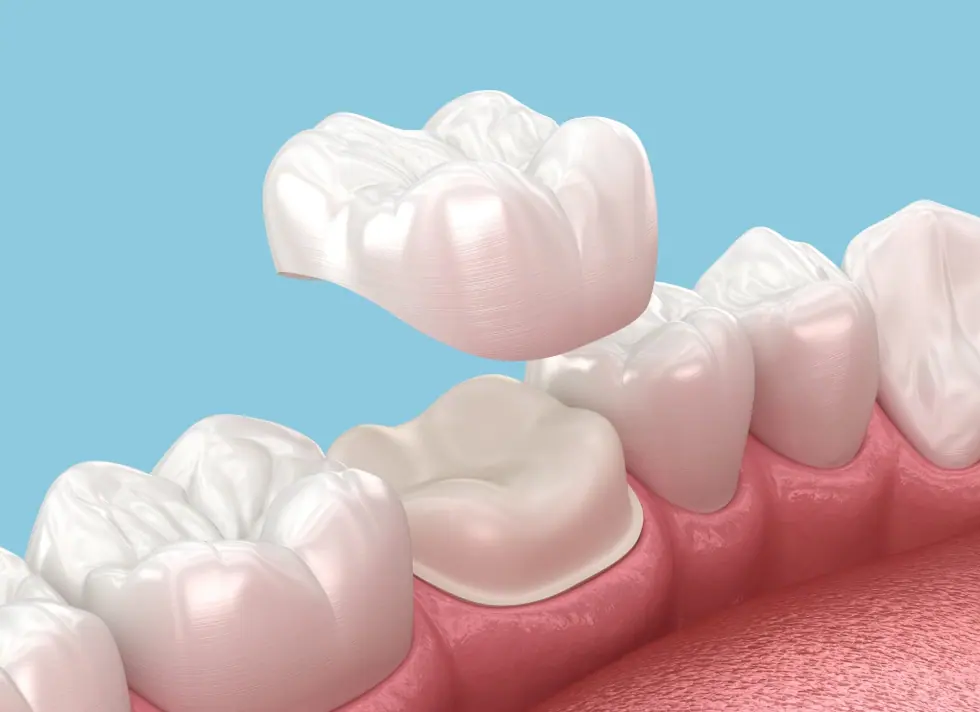
Before diving into the different types, let’s understand what is a dental splint. Essentially, a splint in dental practice is a custom-made device designed to stabilize loose teeth, protect your teeth from grinding, or support your jaw. Moreover, these devices play a crucial role in maintaining oral health and preventing further dental damage.
Dental splints serve multiple purposes. Firstly, they provide support to damaged or loose teeth. Secondly, they protect your teeth from the harmful effects of bruxism. Additionally, they help in the recovery process after dental trauma or surgery.

Understanding Different Dental Splint Types
At Dental Avenue Hospital, we offer various dental splint types to meet your specific needs. Consequently, let’s explore each type in detail:
1. Occlusal Splints for Bruxism
The dental splint bruxism treatment is one of our most common solutions. Similarly, if you’re looking for a dental splint for teeth grinding, this type is ideal. These splints protect your teeth from the excessive forces of grinding and clenching during sleep. Furthermore, they help reduce jaw muscle tension and prevent tooth wear.
Patients in Lahore often ask about these splints because nighttime grinding is a widespread issue. Indeed, stress and lifestyle factors contribute to this condition. Therefore, an occlusal splint provides immediate relief and long-term protection.
2. Dental Splint for Loose Teeth
When teeth become loose due to gum disease or trauma, dental splints for loose teeth become essential. These devices stabilize wobbly teeth by bonding them to adjacent stable teeth. As a result, this prevents further movement and allows healing to occur.
The bonding process is minimally invasive. Moreover, it provides immediate stability. Patients at Dental Avenue Hospital appreciate how quickly they can return to normal eating habits.
3. Permanent Dental Splint
In cases of severe periodontal disease or significant trauma, a permanent dental splint may be necessary. Unlike temporary solutions, these splints remain in place indefinitely. Consequently, they provide ongoing support and stability to compromised teeth.
Our dental experts carefully assess each case. Subsequently, they determine whether a permanent solution is the best approach. Furthermore, we ensure that permanent splints are comfortable and aesthetically pleasing.
4. Stabilization Splints
Stabilization splints help distribute bite forces evenly across all teeth. Therefore, they’re excellent for patients with TMJ disorders or uneven bite patterns. Additionally, these splints reduce muscle tension and jaw pain.
5. Repositioning Splints
These specialized splints gradually move your jaw into a more comfortable position. Similarly, they’re beneficial for patients with jaw misalignment issues. Moreover, they work progressively to correct your bite over time.
6. Sports Guard Splints
Athletes in Lahore need protection during physical activities. Hence, sports guard splints prevent dental injuries during contact sports. Besides protection, they also provide comfort during intense physical exertion.
Dental Splint Cost Considerations in Lahore
Understanding how much is dental splint treatment helps in planning your dental care budget. At Dental Avenue Hospital, the dental splint cost varies based on several factors:
- Type of splint required
- Materials used
- Complexity of your case
- Duration of treatment
Temporary splints generally cost less than permanent solutions. However, permanent splints offer better long-term value. Therefore, our dental team provides detailed cost breakdowns during your consultation.
We believe in transparent pricing. Furthermore, we offer flexible payment options to make dental care accessible to all Lahore residents. Additionally, we provide detailed treatment plans before beginning any procedure.
Benefits of Dental Splints
Dental splints offer numerous advantages. Firstly, they protect your teeth from further damage. Secondly, they reduce pain and discomfort. Additionally, they improve your quality of life by addressing various dental concerns.
Patients report better sleep quality after using bruxism splints. Moreover, those with loose teeth experience improved confidence when eating and speaking. Indeed, the psychological benefits are just as important as the physical ones.
Dental Splint Side Effects and How to Manage Them
While dental splints are generally safe, some patients may experience dental splint side effects. Common issues include:
- Initial discomfort or soreness
- Excessive salivation
- Temporary speech changes
- Mild jaw stiffness
Fortunately, these side effects typically resolve within a few days. However, if symptoms persist, contact Dental Avenue Hospital immediately. Our experienced team will adjust your splint for optimal comfort.
Why Choose Dental Avenue Hospital in Lahore?
At Dental Avenue Hospital, we combine advanced technology with compassionate care. Our experienced dentists use the latest techniques to create custom-fitted splints. Moreover, we prioritize patient comfort throughout the treatment process.
We understand that every patient’s needs are unique. Therefore, we conduct thorough examinations before recommending any treatment. Additionally, we provide ongoing support and follow-up care to ensure the best outcomes.
Caring for Your Dental Splint
Proper maintenance extends the life of your splint. Consequently, clean it daily with a soft toothbrush and mild soap. Furthermore, store it in its protective case when not in use. Additionally, bring it to your regular dental checkups for professional cleaning.
Conclusion
Understanding dental splint types empowers you to make informed decisions about your oral health. Whether you need a dental splint for loose teeth, treatment for bruxism, or post-trauma support, Dental Avenue Hospital in Lahore offers comprehensive solutions.
Don’t let dental concerns affect your quality of life. Instead, schedule a consultation with our expert team today. We’ll assess your needs and recommend the most suitable splint option. Moreover, we’ll ensure you receive the highest quality care at competitive prices.
Visit Dental Avenue Hospital in Lahore and discover how the right dental splint can transform your oral health. Your journey to a healthier, more confident smile starts here.
FAQs
- How long does a dental splint last? The lifespan varies by type. Temporary splints last several weeks to months, while permanent splints can last years with proper care. Regular checkups at Dental Avenue Hospital ensure your splint remains effective.
- Is getting a dental splint painful? The procedure is typically painless. We use local anesthesia when necessary. Most patients experience only mild discomfort during the adjustment period.
- Can I eat normally with a dental splint? Yes, most splints allow normal eating. However, avoid very hard or sticky foods initially. Your dentist will provide specific dietary guidelines based on your splint type.
- How do I clean my dental splint? Clean your splint daily with lukewarm water, mild soap, and a soft brush. Avoid hot water as it can warp the material. Never use toothpaste, which can be too abrasive.
- Will my insurance cover dental splint treatment? Coverage varies by insurance provider and policy. Our team at Dental Avenue Hospital can help verify your insurance benefits and discuss payment options.
- How quickly can I get a dental splint? Custom splints typically take 1-2 weeks to fabricate. However, emergency splints for trauma can often be placed during your first visit.
- Can children use dental splints? Yes, children can use dental splints for various conditions, including sports protection and orthodontic support. We create specially designed splints for young patients.
- What’s the difference between a splint and a retainer? Splints stabilize teeth and protect against grinding, while retainers maintain teeth position after orthodontic treatment. They serve different purposes despite similar appearances.
- Do I need to wear my splint all the time? This depends on your condition. Bruxism splints are typically worn at night, while splints for loose teeth may be permanent. Your dentist will provide specific wearing instructions.
- What should I do if my splint feels uncomfortable? Contact Dental Avenue Hospital immediately for an adjustment. Never try to adjust it yourself. Proper fit is crucial for effectiveness and comfort.