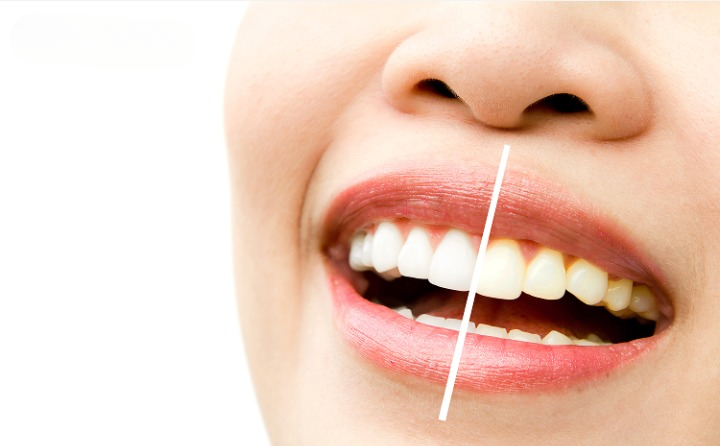
Are you making critical mistakes with your daily flossing routine? Surprisingly, many people don’t know dental floss how to use properly. Consequently, they may be damaging their teeth and gums without realizing it. At Dental Avenue Hospital in Lahore, we frequently encounter patients with flossing mistakes that lead to oral health problems. Therefore, this comprehensive guide will help you choose the best dental floss and master proper flossing techniques to protect your smile.
Why Proper Flossing Matters
Before diving into common mistakes, let’s understand why flossing matters. Essentially, brushing alone cleans only 60% of your tooth surfaces. Meanwhile, the remaining 40% between teeth requires dental floss thread or other flossing teeth tools. Furthermore, proper flossing prevents cavities, gum disease, and bad breath. However, incorrect flossing can actually harm your oral health.

Mistake 1: Using the Wrong Type of Floss
First and foremost, choosing inappropriate floss creates unnecessary challenges. Many people wonder about the dental floss best option for their specific needs. For instance, if you have tight contacts between teeth, you’ll need best dental floss for tight teeth—typically waxed or tape floss. Similarly, those with braces require best dental floss for braces, such as orthodontic floss or super floss with stiff ends.
Additionally, consider these popular options available in Pakistan. The Dental Floss Oral-B brand offers excellent quality at reasonable Dental Floss price in pakistan. Moreover, best dental floss picks work well for people with limited dexterity. Furthermore, the best water dental flosser provides an alternative for sensitive gums.
Mistake 2: Snapping Floss Between Teeth
Undoubtedly, snapping floss forcefully between teeth ranks among the most common flossing mistakes. This aggressive technique can damage delicate gum tissue and cause bleeding. Instead, gently guide the best dental floss between teeth using a sawing motion. Subsequently, this prevents trauma while effectively removing plaque. Many patients ask, can flossing damage teeth? Yes, when done incorrectly with excessive force.
Mistake 3: Not Flossing Deep Enough
Another critical mistake involves superficial flossing. People often wonder, is it normal for floss to go under your gums? Absolutely! The floss should gently slide beneath the gumline—about 2-3 millimeters. However, avoid forcing it deeper, as this causes unnecessary bleeding. Therefore, curve the dental floss thread around each tooth in a C-shape and slide it gently under the gum.
Mistake 4: Reusing the Same Section of Floss
Many people unknowingly spread bacteria by reusing the same floss section. Essentially, you’re transferring plaque and bacteria from one tooth to another. Instead, use a fresh section of your best dental floss for each tooth. This simple change significantly improves cleaning effectiveness. Additionally, Dental Floss Picks should be replaced after cleaning a few teeth.
Mistake 5: Flossing Too Aggressively
Interestingly, excessive enthusiasm creates problems. Recognizing signs of over flossing helps prevent damage. These signs include persistent bleeding, gum recession, increased sensitivity, and tooth pain. Furthermore, aggressive flossing can actually create gaps or damage tooth enamel. Therefore, use gentle pressure and smooth motions with your best water dental floss or traditional floss.
Mistake 6: Skipping Teeth or Going Too Fast
Rushing through flossing defeats its purpose. Each tooth surface deserves individual attention. Moreover, skipping difficult-to-reach back teeth allows plaque buildup in critical areas. Therefore, take your time and systematically clean between all teeth. Additionally, using how to floss your teeth with pictures guides can help ensure thorough coverage. Consequently, proper technique takes about 2-3 minutes daily.
Mistake 7: Ignoring the Back of Your Last Molars
Surprisingly, many people forget the back surfaces of their last molars. These areas accumulate significant plaque yet rarely get cleaned. Furthermore, this oversight contributes to cavities in back teeth. Therefore, curve your best dental floss for tight teeth around these surfaces too. Meanwhile, flossing teeth tools like floss holders can improve reach.
Mistake 8: Not Understanding Proper Flossing Technique
Proper dental floss how to use technique makes all the difference. First, take about 18 inches of best dental floss. Next, wrap most around your middle fingers, leaving 1-2 inches between hands. Then, hold the floss taut using thumbs and index fingers. Subsequently, gently guide it between teeth using a zigzag motion. Afterward, curve it into a C-shape against one tooth and slide up and down. Finally, repeat for the adjacent tooth surface.
Moreover, special situations require adapted techniques. For instance, the best dental floss for braces needs threading under wires. Similarly, the best water dental flosser requires aiming the stream at a 90-degree angle to the gumline.
Mistake 9: Believing Common Flossing Myths
Several myths cause confusion about flossing. For example, people ask, does flossing create gaps in teeth? No, properly done flossing never creates gaps. Actually, removing plaque prevents gum disease that causes recession. Additionally, some believe bleeding means they should stop. Conversely, initial bleeding usually indicates gum inflammation that improves with consistent, gentle flossing.
Furthermore, many think expensive floss works better. However, the Dental Floss price in pakistan varies widely, yet affordable options like Dental Floss Oral-B perform excellently. Therefore, consistency matters more than price.
Mistake 10: Not Flossing Daily or Flossing at the Wrong Time
Finally, inconsistent flossing undermines your efforts. Daily flossing is essential for maintaining oral health. Moreover, timing matters—flossing before brushing removes debris that toothpaste can then reach. Additionally, evening flossing removes the day’s accumulated food particles and bacteria. Therefore, make it a non-negotiable part of your routine, whether using traditional dental floss best options or modern best water dental floss devices.
Choosing the Right Floss for Your Needs
Selecting appropriate flossing teeth tools enhances your oral care routine. For standard spacing, waxed or unwaxed floss works well. However, tight teeth require best dental floss for tight teeth—typically thin, waxed varieties or dental tape. Meanwhile, braces wearers benefit from best dental floss for braces with threader tips.
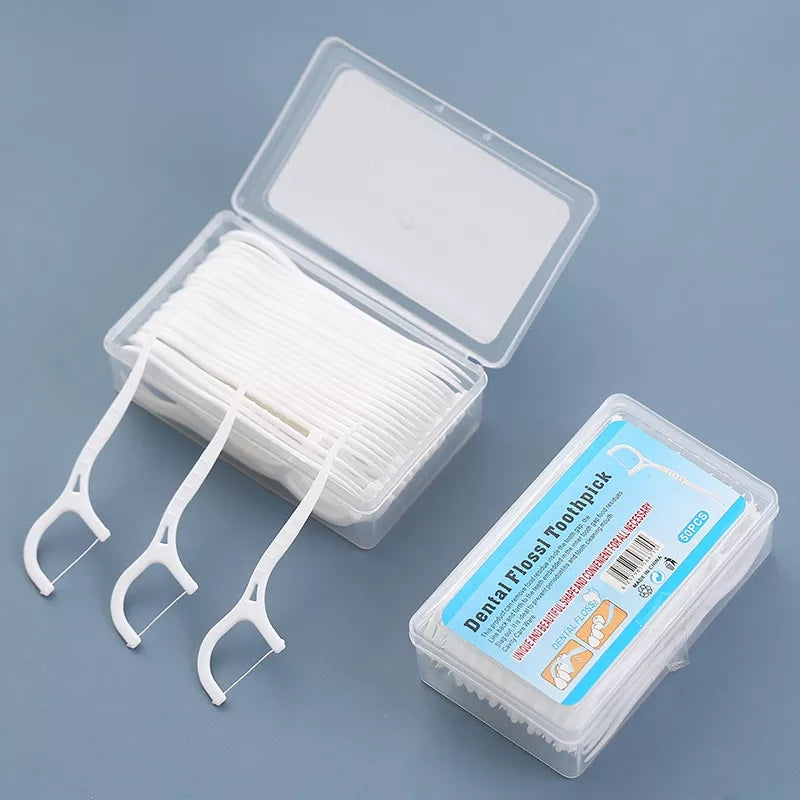
Additionally, people with arthritis or limited dexterity appreciate best dental floss picks or Y-shaped holders. Furthermore, those with sensitive gums often prefer the best water dental flosser, which uses pulsating water streams. At Dental Avenue Hospital, we help patients select the most suitable products for their individual needs.
Professional Guidance at Dental Avenue Hospital
At Dental Avenue Hospital in Lahore, our dental hygienists provide personalized flossing instruction. We demonstrate proper techniques using how to floss your teeth with pictures and hands-on guidance. Moreover, we assess your specific oral health needs and recommend appropriate flossing teeth tools. Furthermore, we can identify signs of over flossing or inadequate technique during your regular checkups.
Conclusion
In conclusion, avoiding these common flossing mistakes significantly improves your oral health. Remember, the best dental floss is the one you’ll use consistently and correctly. Whether you choose traditional Dental Floss Oral-B, convenient Dental Floss Picks, or the best water dental flosser, proper technique matters most. Visit Dental Avenue Hospital for personalized guidance on mastering your flossing routine and maintaining optimal oral health.
Frequently Asked Questions
- What is the best dental floss for beginners?
For beginners, waxed best dental floss slides easily between teeth. Alternatively, best dental floss picks offer easier handling and control while learning proper technique.
- Does flossing create gaps in teeth?
No, the concern about does flossing create gaps in teeth is unfounded. Proper flossing removes plaque without creating spaces. Actually, it prevents gum disease that can cause recession and apparent gaps.
- Is it normal for floss to go under your gums?
Yes, is it normal for floss to go under your gums? Absolutely. The floss should gently slide 2-3 millimeters beneath the gumline to remove plaque where your toothbrush can’t reach.
- What are the signs of over flossing?
Common signs of over flossing include persistent bleeding, gum recession, increased tooth sensitivity, pain, and damaged enamel. If you experience these symptoms, reduce pressure and frequency.
- Can flossing damage teeth?
Yes, can flossing damage teeth? Improper technique with excessive force can damage gums, wear enamel, or cause recession. However, gentle, correct flossing is completely safe and beneficial.
- What is the best dental floss for tight teeth?
The best dental floss for tight teeth is typically waxed floss or dental tape. These varieties slide more easily between closely spaced teeth without shredding or breaking.
- How much does dental floss cost in Pakistan?
The Dental Floss price in pakistan ranges from PKR 200 to PKR 800 depending on brand and type. Popular options like Dental Floss Oral-B typically cost PKR 300-500.
- What is the best water dental flosser?
The best water dental flosser brands include Waterpik, Philips Sonicare, and Panasonic. These devices are excellent for people with braces, implants, or sensitive gums who find traditional flossing challenging.
- What flossing teeth tools are available?
Available flossing teeth tools include traditional dental floss, floss picks, floss holders, interdental brushes, water flossers, and orthodontic floss threaders. Each serves specific needs and preferences.
- How do you use dental floss correctly?
For dental floss how to use: Take 18 inches of floss, wrap around middle fingers, hold taut with thumbs and index fingers, gently guide between teeth in a zigzag motion, curve into C-shape around each tooth, and slide up and down beneath the gumline.